Charcoal grilling is a beloved pastime for many, whether you're hosting a summer barbecue, smoking meats, or simply cooking your favorite foods outdoors. However, one of the most critical aspects of a great grilling experience is getting your charcoal lit quickly and safely. Lighting charcoal can sometimes feel like a hassle, especially for beginners, but with the right techniques, it can be an effortless task that leads to perfectly grilled food.
In this guide, we'll walk you through effective methods to light your charcoal quickly, safely, and efficiently. Whether you're using lump charcoal, charcoal briquettes, or even coconut shell charcoal, we've got you covered with tips that will help you enjoy the perfect grilling experience every time.
1. Understanding the Basics of Charcoal Lighting
Before we dive into the lighting methods, it's important to understand a few basics about charcoal. Lump charcoal and charcoal briquettes burn differently, and each type may require slightly different lighting techniques.
Lump Charcoal is made from pure wood, giving it a natural and smoky flavor. It burns hotter and faster than briquettes but can sometimes be more difficult to control.
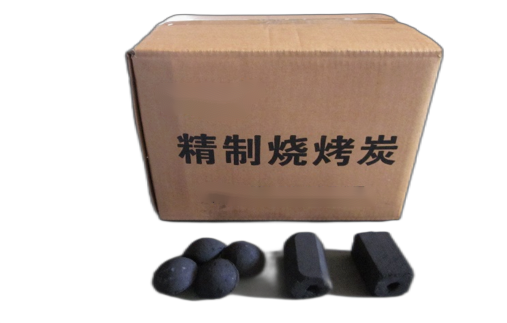
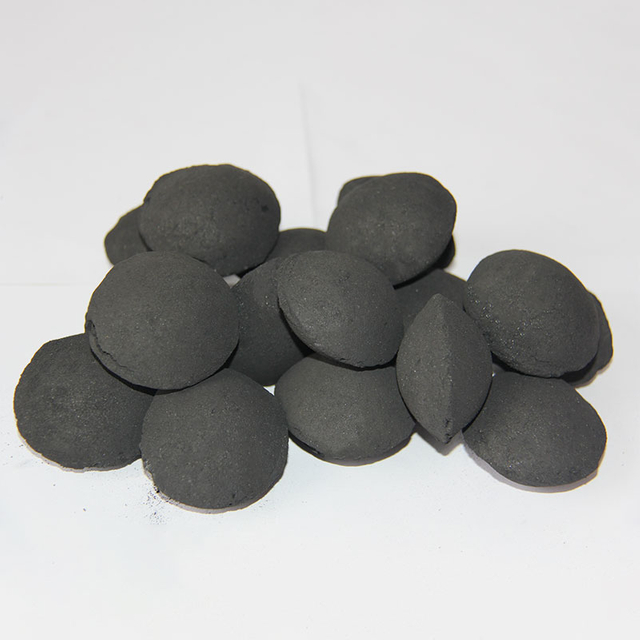
Charcoal Briquettes are made from a blend of charcoal dust, binders, and other additives, which make them more uniform in size and slower to burn than lump charcoal. They also produce more ash.
Both types require proper air circulation to ignite effectively, so creating a method that encourages airflow and even heating is key. Fortunately, there are several lighting methods that make this process easier, quicker, and more efficient.
2. Traditional Lighting Methods
These methods are classic and widely used by grill enthusiasts, offering a reliable way to light your charcoal. Some require additional equipment, while others can be done with materials you already have on hand.
a) Using Lighter Fluid (for Briquettes)
Lighter fluid is one of the most common methods of lighting charcoal briquettes. It's simple and fast, but it’s important to use it correctly to avoid impacting the flavor of your food. Here’s how to do it safely:
Arrange the Briquettes: Place your briquettes in a mound or pyramid shape inside the grill. This helps the charcoal heat evenly and encourages air to flow through, which speeds up the lighting process.
Apply Lighter Fluid: Once your charcoal is arranged, pour lighter fluid over the briquettes. Make sure to coat the entire mound evenly. Be careful not to use excessive amounts, as this can create flare-ups or an unpleasant taste.
Wait a Few Minutes: Let the lighter fluid soak into the charcoal for 2-3 minutes before lighting it. This ensures that the fluid is absorbed and will burn effectively.
Light the Charcoal: Use a match or lighter to ignite the charcoal. Light the charcoal from different angles to ensure an even burn. You should see the briquettes start to glow orange within a few minutes.
Tip: Always let the charcoal burn until the flames die down and you’re left with glowing embers. This can take about 10-15 minutes, depending on the amount of charcoal and the wind conditions.
Safety Note: Always follow the manufacturer's instructions on the lighter fluid container and never add fluid to already lit charcoal, as it could cause dangerous flare-ups.
b) Charcoal Chimney Starter (for Both Lump and Briquettes)
The charcoal chimney starter is one of the most efficient and eco-friendly ways to light charcoal. This method eliminates the need for chemicals like lighter fluid and results in a cleaner, purer flavor. A chimney starter is a cylindrical metal device with a bottom grate that holds your charcoal and a top section that allows air to flow freely, helping the charcoal light evenly. Here's how to use one:
Fill the Chimney Starter: Place your charcoal (either lump or briquettes) inside the top portion of the chimney starter. If you're using lump charcoal, fill it to the top, but if you're using briquettes, fill it halfway, as they will expand slightly as they burn.
Add Kindling or Paper: Place crumpled newspaper or fire starter cubes beneath the chimney in the grill. The paper or starter cubes will provide the initial heat needed to ignite the charcoal.
Light the Newspaper: Light the newspaper or starter cubes from several points using a match or lighter. The flame will travel up the chimney and ignite the charcoal inside.
Wait for the Charcoal to Light: The charcoal will begin to glow after about 10-15 minutes, depending on the weather conditions and the amount of charcoal used. Once you see that the top layer is glowing red, it’s ready to be poured into the grill.
Pour the Charcoal: Carefully lift the chimney and pour the hot, glowing charcoal into your grill. Spread it out evenly to create a flat bed of coals for your cooking surface.
Tip: A chimney starter ensures even lighting and creates a consistent heat source, which is ideal for both high-heat grilling and low-and-slow cooking methods like smoking.
3. Electric Charcoal Starter (Efficient and Safe)
For those looking for a cleaner and hassle-free way to light charcoal, an electric charcoal starter is an excellent choice. This method uses electrical heat to ignite the charcoal, without the need for any chemicals or lighter fluid. It’s one of the safest and most efficient ways to start a grill.
Position the Electric Starter: Place the electric starter (a metal coil or plate) at the bottom of the charcoal pile. You can either set it directly on the charcoal or place it on a grate designed to hold it.
Plug It In: Plug the electric starter into an outlet or extension cord. Turn it on, and the coil will begin to heat up and ignite the charcoal.
Wait for Charcoal to Ignite: After about 10-15 minutes, the charcoal will begin to glow and turn white-hot, signaling that it’s ready for grilling.
Remove the Starter: Once the charcoal is lit, unplug and carefully remove the electric starter, and you're good to go!
Tip: Electric starters are particularly useful when grilling in areas where open flames (like lighter fluid or matches) might not be ideal, such as in apartment complexes or indoor settings with ventilation.
4. Natural Charcoal Lighting Methods
For those looking for a more eco-friendly way to light their charcoal, natural methods that rely on materials like wood chips or fire starter cubes are a great option. These methods are chemical-free and provide a clean, natural way to start your barbecue.
a) Using Wood Chips or Small Twigs
Wood chips, small twigs, or branches can be used in combination with lump charcoal to create a natural and sustainable fire. Here’s how:
Layer the Charcoal: Arrange your lump charcoal in a pyramid shape, leaving space in the center for your wood chips or small twigs.
Add the Wood: Place dry wood chips or twigs in the center of the pyramid. These will catch fire first and help ignite the surrounding charcoal.
Light the Wood: Light the wood with a match or lighter. The flames from the wood will help the surrounding charcoal light.
Wait for the Charcoal to Heat: As the wood burns, the charcoal will begin to catch fire, providing a steady heat source for grilling.
Tip: This method works particularly well for smoking meats, as the wood chips provide additional flavor to your food.
5. Tips for Maintaining Your Charcoal Fire
Once you've successfully lit your charcoal, the next step is ensuring that your fire remains stable throughout your grilling session. Here are some tips for maintaining your charcoal fire:
Manage Airflow: Charcoal needs a continuous flow of air to burn efficiently. Make sure to adjust the vents on your grill to control the airflow. Open vents allow for more oxygen, resulting in hotter, faster-burning charcoal. Closed vents slow the burn and lower the temperature.
Use a Two-Zone Cooking Setup: Create two cooking zones by arranging your charcoal in a single layer on one side of the grill and leaving the other side empty. This allows you to have direct heat on one side for high-heat grilling and indirect heat on the other side for slower cooking or warming.
Add Charcoal as Needed: If you're grilling for a longer period, you may need to add more charcoal. You can either add fresh charcoal directly to the grill or use a chimney starter to light more charcoal in advance.
Avoid Overcrowding the Grill: When you add too much food to the grill at once, it can reduce airflow and cause the charcoal to burn unevenly. Cook in batches if necessary to maintain a consistent temperature.
Conclusion
Lighting charcoal might seem like a small task, but it’s one of the most critical steps in creating a great barbecue. Whether you prefer the natural flavor of lump charcoal or the consistent burn of briquettes, understanding the right methods for lighting your charcoal will ensure a more efficient, enjoyable grilling experience. From traditional lighting techniques to electric starters and natural methods, there are plenty of ways to light your charcoal quickly and safely.
By mastering the lighting process, you’ll be able to control heat, achieve consistent cooking temperatures, and enhance the flavor of your food. Happy grilling!