Did you know bamboo charcoal is a natural purifier with unique powers? Unlike regular charcoal, it’s eco-friendly and highly porous. In this post, you’ll learn what bamboo charcoal is, why it’s sustainable, and how its special properties make it so effective.
Primary Uses and Benefits of Bamboo Charcoal
Bamboo charcoal is a natural powerhouse with a wide range of practical applications. Its unique porous structure and adsorption capabilities make it highly effective in purifying air, eliminating odors, filtering water, improving soil, enhancing skincare, fueling cooking, and controlling humidity. Let’s explore these benefits in detail.
Air Purification: How Bamboo Charcoal Removes Pollutants
Bamboo charcoal acts as a natural air purifier. Its porous surface traps airborne pollutants like formaldehyde, benzene, and dust particles. When placed in rooms, closets, or cars, bamboo charcoal air purifiers absorb harmful gases and allergens, improving indoor air quality. Unlike chemical air fresheners, it neutralizes odors without releasing toxins, making it a safe choice for homes and workplaces. Activated bamboo charcoal air purifiers offer enhanced adsorption, making them ideal for sensitive environments.
Odor Elimination: Neutralizing Unpleasant Smells Naturally
One of the most popular bamboo charcoal uses is odor removal. It effectively absorbs and neutralizes unpleasant smells from pets, smoke, cooking, and dampness. For example, placing bamboo charcoal bags in refrigerators or gym bags helps maintain freshness by removing trapped odors. Activated charcoal for home odors works similarly but with increased efficiency due to its larger surface area. This natural deodorizing ability makes bamboo charcoal a preferred alternative to synthetic deodorizers.
Water Filtration: Enhancing Taste and Removing Impurities
Bamboo charcoal can be used to improve water quality. When added to water containers, it adsorbs impurities such as chlorine, heavy metals, and organic compounds, enhancing taste and safety. Its natural filtration properties make it a sustainable option for households seeking chemical-free water treatment. Activated bamboo charcoal is especially effective in this role due to its increased porosity and adsorption capacity.
Soil Improvement: Boosting Plant Health with Bamboo Charcoal
In gardening, bamboo charcoal serves as a biochar additive to soil. It improves soil aeration, retains moisture, and increases nutrient availability. This natural amendment supports healthy plant growth by fostering beneficial microbial activity and reducing soil toxins. Using natural bamboo charcoal in garden beds or pots promotes sustainable agriculture and reduces reliance on chemical fertilizers.
Skincare Applications: Detoxifying and Balancing Skin
Bamboo charcoal is widely used in skincare products for its detoxifying benefits. It draws out impurities, excess oils, and toxins from the skin, helping to clear acne and balance oily skin. Activated bamboo charcoal uses in masks, soaps, and cleansers provide gentle exfoliation and antibacterial effects, promoting healthier, refreshed skin without harsh chemicals.
Cooking and BBQ Fuel: Eco-Friendly and Efficient Heat Source
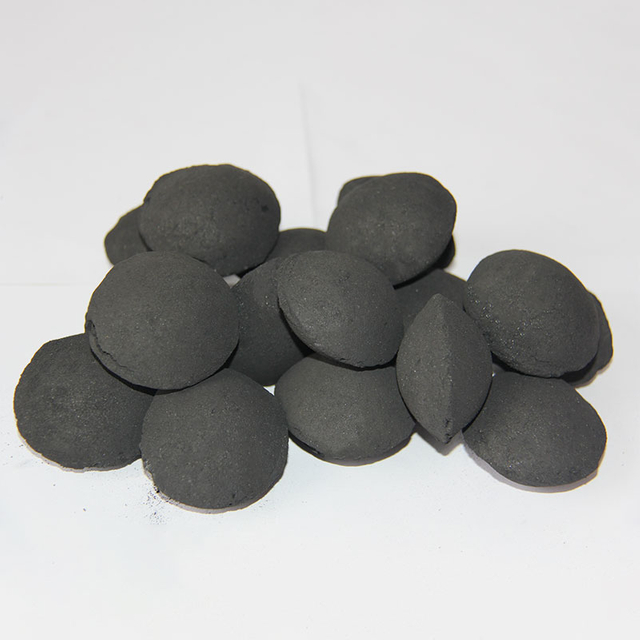
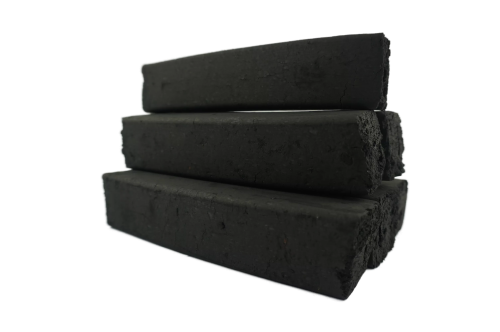
Bamboo charcoal briquettes are an eco-friendly alternative to traditional charcoal for grilling and barbecuing. They burn hotter and longer with less smoke, making them efficient and environmentally responsible. This sustainable fuel source imparts a subtle smoky flavor to food while reducing harmful emissions.
Humidity Control: Preventing Mold and Moisture Damage
Bamboo charcoal naturally absorbs excess moisture from the air, helping to control humidity levels in enclosed spaces. This prevents mold growth and reduces damp odors in basements, bathrooms, and closets. Regularly recharging bamboo charcoal by placing it in sunlight restores its moisture-absorbing capacity, ensuring long-term effectiveness.
Detailed Insights into Bamboo Charcoal for Skincare
Activated Bamboo Charcoal vs. Raw Bamboo Charcoal in Beauty
When it comes to skincare, activated bamboo charcoal stands out compared to raw bamboo charcoal. Activation involves treating the charcoal with steam or heat, increasing its porosity and surface area. This process enhances its ability to adsorb impurities, making activated bamboo charcoal more effective for deep cleansing and detoxification. Raw bamboo charcoal, while still beneficial, has a less refined texture and lower adsorption capacity. Therefore, activated bamboo charcoal uses in beauty products like masks, soaps, and cleansers provide a more powerful and targeted treatment for skin concerns.
Detoxifying Effects on Oily and Acne-Prone Skin
Bamboo charcoal’s natural adsorption properties make it excellent for detoxifying oily and acne-prone skin. It acts like a magnet, pulling out excess oils, dirt, and toxins that clog pores and cause breakouts. This helps reduce blackheads and acne while balancing sebum production, leaving the skin feeling clean and refreshed without over-drying. Many skincare products featuring bamboo charcoal specifically target these issues, offering a natural alternative to harsh chemical treatments.
How Bamboo Charcoal Gently Exfoliates and Renews Skin Cells
Beyond detoxification, bamboo charcoal gently exfoliates the skin by removing dead skin cells. Its fine, porous texture allows it to slough off dull surface cells, promoting the renewal of fresh, healthy skin underneath. This exfoliation process supports a smoother, brighter complexion and can improve the effectiveness of other skincare ingredients by allowing better absorption. Unlike abrasive scrubs, bamboo charcoal exfoliates without irritation, making it suitable for sensitive skin types.
Antibacterial Properties and Acne Prevention
Bamboo charcoal also possesses natural antibacterial qualities that help prevent acne-causing bacteria from flourishing on the skin. By reducing bacterial growth, it minimizes inflammation and the likelihood of pimples forming. This makes bamboo charcoal an excellent ingredient in products designed for acne prevention and overall skin clarity. Its ability to balance oil and fight bacteria simultaneously supports healthier, clearer skin over time.
Incorporating Bamboo Charcoal into Daily Skincare Routines
Integrating bamboo charcoal into your daily skincare routine is simple and effective. Look for cleansers, face masks, or soaps that contain activated bamboo charcoal. Use these products 2-3 times per week to detoxify and refresh your skin. For oily or acne-prone skin, charcoal-based treatments can be used more frequently, but always follow product recommendations to avoid dryness. Additionally, bamboo charcoal powders can be mixed with natural ingredients like honey or aloe vera for homemade masks. Regular use supports clearer pores, balanced skin oil, and a radiant complexion.
Bamboo Charcoal in Environmental Purification
Mechanism of Adsorption and Porosity Benefits
Bamboo charcoal’s effectiveness in environmental purification starts with its unique porous structure. It contains millions of tiny pores that create a vast surface area, allowing it to adsorb gases, moisture, and particles from the air. Unlike absorption, where substances soak into a material, adsorption means pollutants stick to the charcoal’s surface. This natural process traps harmful chemicals like formaldehyde, benzene, and volatile organic compounds (VOCs), improving air quality without releasing toxins. The activated bamboo charcoal air purifier takes this a step further, with enhanced porosity that boosts adsorption capacity for even better purification.
Effectiveness in Removing Indoor Air Pollutants
Indoor air often contains dust, allergens, smoke, and chemical pollutants from household products. Bamboo charcoal air purifiers offer a chemical-free solution by capturing these contaminants. They are particularly effective against odors caused by cooking, pets, or tobacco smoke. Unlike synthetic air fresheners that mask smells, bamboo charcoal neutralizes them by locking odor molecules inside its pores. This helps reduce respiratory irritants and creates a fresher, healthier indoor environment.
Use in Enclosed Spaces: Closets, Cars, and Basements
Bamboo charcoal is ideal for enclosed or small spaces where air circulation is limited. Placing bamboo charcoal bags in closets, cars, or basements helps absorb excess moisture and odors, preventing mold and mildew growth. For example, a bamboo charcoal air purifier in a car can eliminate musty smells and reduce airborne dust. Similarly, in closets, it keeps clothes smelling fresh by removing dampness and stale air. Its lightweight, natural design makes it easy to position in tight spots without clutter.
Reusability and Maintenance for Long-Term Air Quality
One of the advantages of bamboo charcoal for air purification is its reusability. Over time, the charcoal becomes saturated with pollutants, but you can “recharge” it by placing it in direct sunlight for a few hours. Sunlight helps release trapped moisture and odors, restoring its adsorption power. This simple maintenance extends the life of bamboo charcoal air purifying products up to two years, making them cost-effective and sustainable. Regular recharging ensures continuous removal of dust, odors, and harmful gases.
Comparison with Synthetic Air Fresheners and Deodorizers
Compared to chemical air fresheners, bamboo charcoal offers a safer, toxin-free alternative. Synthetic products often contain volatile compounds that can irritate the lungs or trigger allergies. Bamboo charcoal air purifiers avoid these issues by physically capturing pollutants rather than masking them. Additionally, bamboo charcoal does not emit artificial fragrances, making it suitable for sensitive individuals or those with respiratory conditions. Its natural origin and biodegradability also reduce environmental impact, unlike disposable plastic-based deodorizer products.
Comparing Bamboo Charcoal to Other Types of Charcoal
Absorption and Surface Area Differences
Bamboo charcoal stands out due to its exceptional absorption capabilities. It typically has a surface area ranging from 600 to 1200 square meters per gram when activated. This large surface area allows it to adsorb more pollutants, odors, and moisture compared to regular wood charcoal, which usually has a much smaller surface area. For example, bamboo charcoal can absorb up to four times more than wood charcoal, making it highly effective for air purification and odor control. Activated bamboo charcoal uses this enhanced porosity to trap even the smallest particles, improving its performance in air purifiers and skincare products.
Sustainability and Growth Rates of Bamboo vs. Wood
One of the most compelling advantages of bamboo charcoal is sustainability. Bamboo is a fast-growing grass that reaches maturity in just 3 to 5 years, whereas hardwood trees used for regular charcoal can take decades to mature. This rapid growth makes bamboo a renewable resource that can be harvested with less environmental impact. Because of this, bamboo charcoal production supports sustainable forestry and reduces deforestation pressures compared to wood charcoal. Choosing natural bamboo charcoal aligns with eco-friendly practices, helping reduce carbon footprints and promote responsible resource use.
Performance in Odor and Moisture Control
Bamboo charcoal excels in controlling odors and moisture due to its porous structure and high adsorption capacity. It naturally absorbs unpleasant smells from pets, smoke, and dampness, making it ideal for use in homes, cars, and closets. Compared to regular charcoal, bamboo charcoal often performs better in humidity control, preventing mold and mildew growth by absorbing excess moisture. This makes bamboo charcoal air purifiers a preferred choice for maintaining fresh, dry indoor environments. Activated bamboo charcoal air purifiers amplify these benefits, offering superior odor neutralization and air purifying effects.
Activated Charcoal Variants: Bamboo vs. Coconut Shell
Activated charcoal can be made from various sources, with bamboo and coconut shells being two popular options. Activated bamboo charcoal generally has a higher surface area and porosity than coconut shell charcoal, enhancing its adsorption power for gases, toxins, and impurities. While coconut shell charcoal is often used for water filtration due to its hardness and durability, bamboo charcoal tends to be more effective in odor removal and humidity regulation. Both are sustainable alternatives to coal-based activated charcoal, but bamboo charcoal’s rapid renewability gives it an environmental edge.
Environmental Impact of Bamboo Charcoal vs. Coal-Based Charcoal
Coal-based charcoal is derived from fossil fuels, which contributes to environmental degradation and higher carbon emissions. In contrast, bamboo charcoal is produced from a renewable plant source, offering a cleaner, greener alternative. The carbonization process for bamboo charcoal typically emits fewer pollutants, and the raw material regenerates quickly, reducing deforestation risks. Using bamboo charcoal as an air purifier, odor remover, or fuel source supports sustainable living and lowers your environmental footprint compared to coal-based charcoal products.
How to Use Bamboo Charcoal Effectively in Daily Life
Bamboo charcoal is incredibly versatile and easy to integrate into your everyday routine. Whether you want to purify air, improve water quality, enrich your garden soil, or enhance your skincare, bamboo charcoal offers natural, eco-friendly solutions. Here’s how to make the most of this powerful material.
Placement Tips for Air and Odor Purification
To harness bamboo charcoal for air purification, place bamboo charcoal bags or pouches in key areas around your home or office. Ideal spots include closets, refrigerators, cars, bathrooms, and basements. These locations often trap odors, dust, and moisture, which bamboo charcoal effectively adsorbs.
Use activated bamboo charcoal air purifiers in rooms with poor ventilation.
Position bamboo charcoal near pet areas to neutralize odors naturally.
Replace or recharge charcoal bags by placing them under direct sunlight for 2-3 hours monthly to maintain their air purifying power.
This simple placement helps reduce airborne dust and unpleasant smells without chemicals, creating a fresher indoor environment.
Using Bamboo Charcoal for Water Treatment at Home
Bamboo charcoal can improve your tap or stored water by adsorbing impurities like chlorine, heavy metals, and organic compounds. To use it:
Rinse bamboo charcoal pieces to remove dust.
Place them in a water pitcher or container.
Let the water sit for 4-8 hours before drinking.
Activated bamboo charcoal enhances this process with greater porosity, making it more effective at filtering contaminants and improving taste. Remember to replace the charcoal every few months for optimal water quality.
Enhancing Garden Soil with Bamboo Charcoal Biochar
In gardening, bamboo charcoal acts as a natural biochar, enriching soil health. It helps retain moisture, aerate soil, and provide a habitat for beneficial microbes. To apply:
Crush bamboo charcoal into small pieces or powder.
Mix it into garden beds or potted plants at about 5-10% of the soil volume.
Water regularly to activate its nutrient retention properties.
This natural amendment supports sustainable gardening by reducing the need for chemical fertilizers and promoting plant vitality.
Incorporating Bamboo Charcoal in Cooking and Grilling
Bamboo charcoal briquettes are a clean-burning fuel choice for BBQs and grilling. They burn hotter and longer with less smoke compared to traditional charcoal. Tips for use:
Light bamboo charcoal briquettes as you would regular charcoal.
Use them for grilling meats, vegetables, or other foods to impart a subtle smoky flavor.
Choose natural bamboo charcoal without additives for the best taste and eco-friendliness.
This fuel option is perfect for those seeking a sustainable and efficient cooking method.
Skincare Products Featuring Bamboo Charcoal
Activated bamboo charcoal is a popular ingredient in beauty products due to its detoxifying and antibacterial properties. You can find it in:
To incorporate bamboo charcoal into your skincare routine, use these products 2-3 times weekly. For a DIY approach, mix bamboo charcoal powder with natural ingredients like honey or aloe vera for a gentle, purifying mask.
Maintaining and Recharging Bamboo Charcoal Products
Bamboo charcoal’s adsorption ability diminishes as it traps pollutants. To extend its lifespan:
Recharge air purifying bags by placing them in direct sunlight for a few hours monthly.
Rinse water filtration charcoal occasionally to remove surface buildup.
Replace charcoal used in water or skincare applications as recommended by the product.
Proper maintenance ensures bamboo charcoal remains effective for up to two years, making it a cost-efficient and sustainable choice.
Choosing and Caring for Bamboo Charcoal Products
Identifying High-Quality Bamboo Charcoal
When selecting bamboo charcoal, quality matters for maximizing its benefits. High-quality bamboo charcoal typically comes from mature bamboo, usually harvested after 3-5 years, ensuring dense and durable charcoal. Look for products made from Moso bamboo, known for its superior carbon content and porosity. Authentic bamboo charcoal often retains the bamboo’s natural cylindrical shape and has a deep black color with a hard, lightweight texture. Avoid charcoal with additives or fillers, especially if you intend to use it for air purification, skincare, or water treatment. Certifications or transparent sourcing information can also signal trustworthy products.
Activated vs. Raw Bamboo Charcoal: Which to Choose?
Choosing between activated bamboo charcoal and raw bamboo charcoal depends on your intended use. Activated bamboo charcoal undergoes a process that increases its surface area and porosity, making it more effective for adsorption tasks. It’s ideal for applications like bamboo charcoal air purifiers, water filtration, and skincare products where enhanced impurity removal is needed. Raw bamboo charcoal, while still beneficial, is better suited for uses such as soil amendment, cooking fuel, or general odor control where extreme adsorption isn’t critical. Knowing the difference helps you pick the right bamboo charcoal use for your needs.
Safety Considerations and Usage Guidelines
Bamboo charcoal is generally safe when used as directed. However, for activated bamboo charcoal air purifiers or skincare products, ensure the charcoal is free from chemical treatments or contaminants. When using bamboo charcoal for water purification or cooking, choose food-grade charcoal to avoid harmful residues. Avoid inhaling dust from charcoal powders, as fine particles may irritate the respiratory tract. For skincare, patch testing new bamboo charcoal products can prevent allergic reactions. Always follow manufacturer instructions for placement, usage duration, and recharging to maintain safety and effectiveness.
Recycling, Composting, and Environmental Disposal
One of bamboo charcoal’s eco-friendly advantages is its recyclability and biodegradability. After its adsorption capacity declines, bamboo charcoal can be crushed and added to compost or garden soil as biochar, improving soil fertility and moisture retention naturally. Unlike synthetic deodorizers or air purifiers, bamboo charcoal doesn’t contribute to landfill waste. If composting isn’t an option, dispose of it in an environmentally responsible way, avoiding incineration that produces pollutants. Recycling bamboo charcoal closes the sustainability loop, aligning with green living principles.
Where to Buy Reliable Bamboo Charcoal Products
Reliable bamboo charcoal products are available through reputable eco-friendly brands and specialty suppliers. Look for sellers who provide clear information about sourcing, processing methods, and product certifications. Online marketplaces offer convenience but verify product reviews and seller credibility. For industrial or bulk needs, partnering with dedicated manufacturers ensures quality control and consistent supply. Whether you need bamboo charcoal for air purification, skincare, or gardening, investing in trusted products guarantees safety, performance, and sustainability.
Conclusion
Bamboo charcoal offers versatile benefits, including air purification, odor elimination, skincare, and soil improvement. It supports sustainable living through its renewable source and eco-friendly properties. This natural material enhances both personal health and environmental quality by reducing toxins and moisture. Encouraging daily use of bamboo charcoal promotes a healthier lifestyle and a cleaner environment. Zhejiang Apex Energy Technology Co., Ltd. provides high-quality bamboo charcoal products that deliver exceptional value in sustainability and performance.
FAQ
Q: What is bamboo charcoal good for in air purification?
A: Bamboo charcoal is excellent for air purification due to its porous structure that adsorbs pollutants, dust, and odors. Bamboo charcoal air purifiers effectively remove harmful gases like formaldehyde and neutralize unpleasant smells naturally without chemicals. Activated bamboo charcoal air purifiers enhance this effect with greater adsorption capacity, making them ideal for improving indoor air quality in homes, offices, and cars.
Q: How does bamboo charcoal help with odor removal?
A: Bamboo charcoal absorbs and neutralizes odors from pets, smoke, cooking, and moisture. Its natural bamboo charcoal for odors function traps odor molecules, preventing them from lingering. Activated charcoal for home odors offers even stronger deodorizing power due to increased surface area, making bamboo charcoal a safe and eco-friendly alternative to synthetic deodorizers.
Q: Can bamboo charcoal be used for skincare?
A: Yes, bamboo charcoal is popular in skincare for detoxifying and balancing oily or acne-prone skin. Activated bamboo charcoal draws out impurities, excess oils, and toxins while gently exfoliating dead skin cells. Its antibacterial properties help prevent acne, making bamboo charcoal use beneficial in cleansers, masks, and soaps for clearer, healthier skin.
Q: Why is bamboo charcoal preferred over other types of charcoal?
A: Bamboo charcoal offers superior adsorption due to its high porosity and surface area, outperforming regular wood charcoal in air purification and odor control. It is also more sustainable because bamboo grows faster than hardwood trees, making natural bamboo charcoal an eco-friendly choice with lower environmental impact compared to coal-based or wood charcoal.
Q: How do I maintain and recharge bamboo charcoal products?
A: To maintain bamboo charcoal air purifiers and odor absorbers, place them in direct sunlight for 2-3 hours monthly. This recharges their adsorption capacity by releasing trapped moisture and odors. Proper maintenance extends the effectiveness of bamboo charcoal for up to two years, ensuring continuous bamboo charcoal air purifying benefits.