In today’s world of electric vehicles, portable electronics, and renewable energy systems, energy storage technology is evolving rapidly. One of the key challenges in this evolution is developing high-capacity, long-life, and fast-charging batteries. This demand has led to the emergence of silicon carbon composite anode materials, a next-generation solution that is revolutionizing lithium-ion battery design.
While materials like supercapacitor activated carbon remain essential for ultra-fast energy delivery in supercapacitors, silicon carbon composites are redefining energy density in battery systems. These two materials represent parallel innovations in the electrochemical energy domain—one for power, the other for capacity—and both are essential for future energy strategies.
This article explores what silicon carbon composite anode material is, how it works, why it matters, and how it relates to other critical materials like supercapacitor activated carbon. If you’re interested in sourcing high-performance carbon materials for energy storage, visit www.zj-apex.com—a professional supplier of porous carbon and activated carbon for advanced applications.
What Is Silicon Carbon Composite Anode Material?
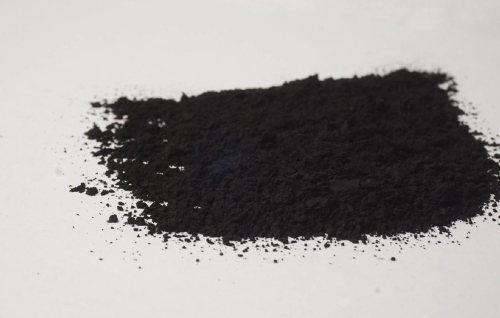
Silicon carbon composite anode material is a hybrid electrode structure that combines silicon—a high-capacity anode material—with carbon, which acts as a conductive and stabilizing matrix. This combination is designed to address the limitations of pure silicon when used in lithium-ion batteries.
Why Use Silicon?
Silicon offers a theoretical specific capacity of approximately 4200 mAh/g, which is almost ten times higher than that of traditional graphite (around 372 mAh/g). However, silicon has one major drawback: it expands up to 300% during lithiation (charging), which causes mechanical stress, electrode cracking, and rapid degradation.
![porous carbon]()
Why Combine with Carbon?
By embedding or coating silicon particles within a carbon matrix, several benefits are achieved:
Buffering Effect: The carbon framework provides room for silicon to expand and contract without fracturing.
Electrical Conductivity: Carbon enhances the overall conductivity of the anode.
Structural Integrity: The porous carbon matrix maintains the mechanical structure of the electrode over many cycles.
Stable SEI Formation: Carbon surfaces encourage the formation of a stable solid electrolyte interphase (SEI), essential for long battery life.
Types of Silicon Carbon Composite Structures
There are several structural designs for silicon carbon composites, depending on the manufacturing process and performance requirements.
1. Silicon Nanoparticles in Porous Carbon
This method embeds nanoscale silicon particles into a high-surface-area porous carbon matrix. The carbon’s porosity ensures electrolyte accessibility and mitigates volume changes.
2. Core–Shell Structures
In this design, silicon serves as the core, and it is coated with a carbon shell. The carbon layer prevents direct contact between silicon and the electrolyte, improving cycling stability.
3. Yolk–Shell Structures
An advanced design where the silicon "yolk" is surrounded by a carbon "shell" with a void in between. This void allows silicon to expand without damaging the shell structure.
4. Si–Graphene Composites
These composites integrate silicon with layers of graphene—a highly conductive, flexible, and strong form of carbon. It allows efficient electron transport and stress relief.
All these structures aim to maximize the performance benefits of silicon while leveraging the durability and electrical advantages of carbon.
How Does It Compare to Supercapacitor Activated Carbon?
While supercapacitor activated carbon is predominantly used in electrical double-layer capacitors (EDLCs) for its ability to rapidly release and absorb energy, it shares many core material characteristics with the carbon matrix used in silicon-carbon composite anodes for lithium-ion batteries. Both materials benefit from a high surface area and a finely tuned pore structure, although their exact specifications vary depending on the application.
Supercapacitor activated carbon typically boasts a very high surface area, ranging from 1000 to 3000 m²/g, which allows for fast charge and discharge cycles—usually completed within seconds to minutes. In contrast, the carbon used in silicon-carbon anodes features a moderate to high surface area, optimized to balance structural support and lithium-ion diffusion during charging cycles that typically last 30 to 60 minutes.
The pore structure in supercapacitor activated carbon primarily includes micro and mesopores, supporting rapid ion transport. Meanwhile, the carbon matrix in silicon-carbon anodes is engineered with a tunable, hierarchical pore structure, allowing it to accommodate the volume expansion of silicon during cycling while maintaining structural integrity.
When it comes to performance, supercapacitor activated carbon is ideal for applications focused on power density, delivering energy in short bursts with lower energy density—typically around 5–10 Wh/kg. On the other hand, silicon-carbon anodes are designed to maximize energy density, with potential capacities reaching up to 300–400 Wh/kg, making them more suitable for long-duration energy storage in devices like electric vehicles.
Despite their different performance goals, both types of carbon materials demand high conductivity and precise structural control. This shared need for customization and consistency is why many top-tier energy and electronics companies trust suppliers like ZJ Apex. Known for producing high-quality activated and porous carbon, ZJ Apex provides tailored solutions that meet the rigorous requirements of both supercapacitor and battery technologies.
Applications of Silicon Carbon Composite Anodes
1. Electric Vehicles (EVs)
The push for higher range per charge makes silicon carbon anodes ideal for EV batteries. Their high capacity enables longer driving distances, faster charging, and fewer battery packs per vehicle.
2. Consumer Electronics
Smartphones, laptops, and wearable devices benefit from smaller batteries that last longer and charge faster. Silicon carbon anodes are being tested for next-generation mobile devices.
3. Grid Storage Systems
Renewable energy systems need batteries that store large amounts of energy and maintain stability over thousands of cycles. Silicon carbon materials, when scaled, offer great promise in this area.
4. Aerospace and Defense
In high-tech, mission-critical applications, battery performance must be optimized for weight, charge cycles, and temperature stability—domains where carbon-silicon composites show great potential.
Manufacturing Considerations
Producing high-quality silicon carbon composite anodes involves several precise steps:
Material Purification: Both silicon and carbon must be free of contaminants.
Surface Engineering: Functional groups are added to improve bonding between silicon and carbon.
Thermal Processing: Heat treatments are used to stabilize structure and enhance conductivity.
Coating and Encapsulation: Advanced coatings help in improving SEI stability and preventing electrolyte decomposition.
High-performing carbon suppliers like www.zj-apex.com offer customized activated carbon and porous carbon solutions tailored for such exacting requirements. Their experience in supplying battery-grade carbon materials makes them a valuable partner in the energy storage supply chain.
Why ZJ Apex?
Zhejiang Apex New Material Technology Co., Ltd., accessible at www.zj-apex.com, is a trusted name in the global carbon materials industry. Their product lines include:
Supercapacitor Activated Carbon
Battery Anode Carbon Materials
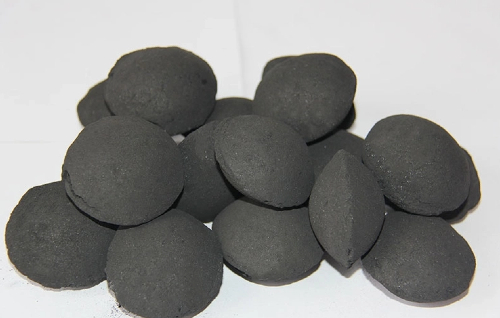
Graphite and Carbon Blocks
Porous Carbon for Electrochemical Applications
ZJ Apex specializes in custom-formulated carbon with precisely controlled pore sizes, surface chemistries, and mechanical strength profiles. Whether you are developing next-gen lithium-ion batteries or supercapacitor systems, ZJ Apex can deliver materials that meet or exceed performance standards.
Visit their website to explore technical specifications, request data sheets, or inquire about OEM/ODM cooperation.
Conclusion
Silicon carbon composite anode materials represent a powerful step forward in lithium-ion battery technology, balancing the high energy density of silicon with the durability and conductivity of carbon. As global industries seek lighter, faster, and more efficient energy storage solutions, this composite is rapidly becoming the material of choice.
For anyone involved in battery R&D, energy systems, or materials sourcing, it is essential to work with reliable, expert partners. That’s why we recommend visiting www.zj-apex.com—your gateway to premium supercapacitor activated carbon and carbon materials for silicon deposition and energy storage. Their quality, customization, and global service capabilities can help take your energy solutions to the next level.