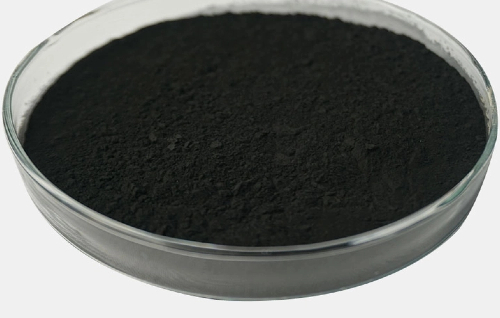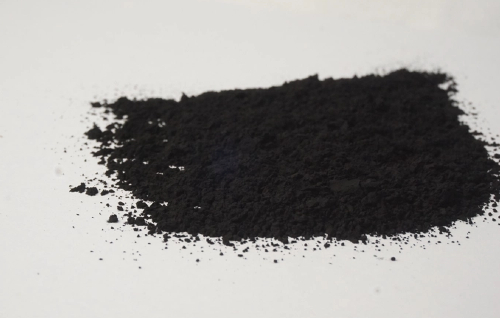
In the age of advanced materials and clean energy, porous carbon electrodes have emerged as a fundamental technology powering a variety of cutting-edge applications—from lithium-ion batteries to fuel cells, from capacitors to advanced deposition techniques like silicon deposition. Known for their unique structure, high surface area, and electrochemical stability, porous carbon electrodes are integral to many industries seeking innovation, efficiency, and sustainability.
In this article, we explore in detail what a porous carbon electrode is, how it is used—especially in silicon deposition—and why companies and researchers around the world are increasingly turning to this material for their energy storage and material synthesis needs. If you're looking for premium-grade porous carbon materials tailored to industrial or scientific needs, we also recommend visiting www.zj-apex.com—a trusted manufacturer of carbon materials for high-performance applications.
What Is a Porous Carbon Electrode?
A porous carbon electrode is a carbon-based material engineered with a sponge-like structure containing a network of pores ranging from the nano to the microscale. These pores create a large internal surface area, which is essential for a wide range of electrochemical processes such as charge transfer, ion transport, gas diffusion, and material deposition.
Porous carbon electrodes are typically composed of:
Micropores (<2 nm): Offer high surface area for ion adsorption.
Mesopores (2–50 nm): Facilitate ion transport and diffusion.
Macropores (>50 nm): Provide structural support and bulk flow paths.
This multiscale porosity allows the electrode to maintain mechanical integrity while enabling excellent performance in energy systems and catalytic environments.
![porous carbon]()
Porous Carbon for Silicon Deposition: Why It Matters
Silicon deposition onto porous carbon materials has become a highly strategic process, particularly in the development of high-capacity lithium-ion batteries and nanoelectronic components. Silicon, with its theoretical capacity of ~4200 mAh/g, offers nearly ten times the energy density of conventional graphite anodes. However, it also suffers from significant volume expansion (~300%) during charging and discharging cycles.
Here's where porous carbon plays a key role:
Mechanical Buffering: The porous structure provides space for the expansion and contraction of silicon, minimizing structural damage.
Enhanced Adhesion: The high surface area of the carbon substrate improves the binding and uniformity of silicon deposition.
Improved Conductivity: Porous carbon is inherently conductive, allowing for better electron transport between silicon particles and the external circuit.
Cycling Stability: By acting as a robust support framework, porous carbon electrodes help retain the integrity of the silicon layer over hundreds of cycles.
This synergy between porous carbon and silicon is foundational to next-generation energy storage systems, enabling longer battery life, higher energy density, and more stable performance.
Common Methods of Silicon Deposition on Porous Carbon Electrodes
Several methods are used to deposit silicon onto porous carbon frameworks, depending on the desired structure and application. These include:
1. Chemical Vapor Deposition (CVD)
CVD allows for the controlled deposition of thin silicon films within the porous structure. The result is a uniform, conformal coating that preserves porosity and improves battery performance.
2. Electroless Deposition
In this method, silicon is chemically reduced and deposited on the surface without external current. It's ideal for complex geometries and ensures penetration into deep pore channels.
3. Sol-Gel Methods
Silicon precursors are introduced into the porous matrix in a sol form and undergo gelation. This is followed by heat treatment to create porous silicon-carbon composites with high surface uniformity.
4. Electrodeposition
This technique uses an electric current to deposit silicon from a solution onto the porous carbon. It allows for precise thickness control and is suitable for micro-scale applications.
Each method has its advantages and limitations, but all benefit from the foundational characteristics of porous carbon electrodes: high surface area, pore control, mechanical strength, and electrical conductivity.
Key Applications of Porous Carbon Electrodes
While silicon deposition is a headline-grabbing application, porous carbon electrodes are also used across many other sectors:
1. Lithium-Ion and Sodium-Ion Batteries
Porous carbon serves as both the active material and the host structure for other materials like silicon or metal oxides. Its pore network enhances ion diffusion and reduces charge resistance.
2. Supercapacitors
The high surface area allows for electrostatic charge storage. Porous carbon is the standard material for electric double-layer capacitors (EDLCs), offering fast charge-discharge rates and long cycle life.
3. Fuel Cells
In proton exchange membrane fuel cells (PEMFCs), porous carbon electrodes serve as gas diffusion layers and catalyst supports, enabling efficient energy conversion.
4. Sensors and Biosensors
Functionalized porous carbon electrodes are used in electrochemical sensors for detecting gases, biological molecules, or heavy metals. The porosity enables high sensitivity and rapid response times.
5. Electrocatalysis
Porous carbon is ideal as a support for nanoparticles in applications such as oxygen reduction reaction (ORR), hydrogen evolution reaction (HER), and CO₂ reduction, essential for green chemistry and energy transition.
Advantages of Porous Carbon Electrodes
Let’s break down why porous carbon electrodes are indispensable in high-performance environments:
High Surface Area: Allows for more active sites and better interaction with electrolytes or deposition materials like silicon.
Tailorable Pore Structure: Can be engineered for specific ion sizes, molecule types, or diffusion speeds.
Electrical Conductivity: Ensures minimal loss of electrons, increasing the efficiency of energy storage and transfer.
Mechanical Stability: Can accommodate stress and strain from material expansion (e.g., silicon swelling in batteries).
Thermal Stability: Performs well in high-temperature environments, ideal for industrial processes.
Chemical Resistance: Resistant to corrosive substances, making them suitable for aggressive electrochemical conditions.
These advantages not only make porous carbon electrodes suitable for silicon deposition but also place them at the forefront of material innovation for the 21st century.
Why Choose www.zj-apex.com for Porous Carbon Electrodes?
If you're sourcing porous carbon for silicon deposition or other high-performance applications, choosing a trusted and experienced manufacturer is essential. That’s where Zhejiang Apex New Material Technology Co., Ltd. (ZJ Apex) shines.
What Sets ZJ Apex Apart?
Customizable Porous Carbon Solutions: Tailored to your pore size, surface area, conductivity, and mechanical strength requirements.
Advanced Manufacturing Techniques: Including activation, chemical modification, and precision shaping.
R&D Expertise: Dedicated to continuous innovation in porous carbon composites for energy storage, environmental, and catalytic applications.
Quality Assurance: Strict testing protocols for physical and chemical properties.
Global Support: Serving customers across Asia, Europe, and North America with prompt delivery and expert consultation.
ZJ Apex specializes in the production of porous carbon materials, carbon blocks, carbon membranes, and related carbon-based products for a wide range of industrial applications. Visit www.zj-apex.com to learn more, request samples, or collaborate on a custom solution for your project.
Conclusion
Porous carbon electrodes are more than just a component—they're a cornerstone of innovation in materials engineering, electrochemistry, and nanotechnology. Their unique structure, functionality, and adaptability make them the perfect candidate for applications like silicon deposition, energy storage, sensors, catalysis, and more.
If your business is seeking reliable, high-performance porous carbon solutions, we strongly recommend partnering with ZJ Apex. With advanced capabilities and a commitment to excellence, they can help you unlock the full potential of porous carbon for your industrial or research applications.
Explore their offerings at www.zj-apex.com and discover how the right material can transform your technology.