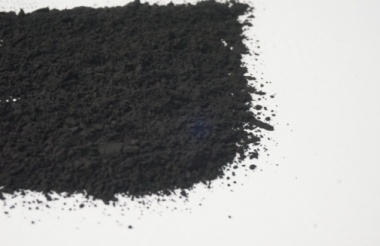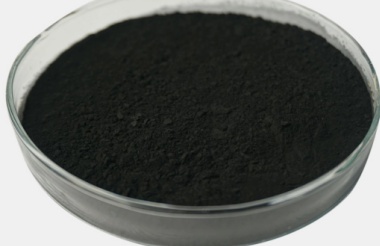
Porous carbon has become an increasingly important material across advanced industrial manufacturing, particularly in processes involving silicon deposition. With its unique combination of high surface area, controllable pore structure, excellent thermal stability, and electrical conductivity, porous carbon offers functional advantages that traditional materials struggle to provide.
In silicon-related industries, deposition processes place strict demands on substrate materials, support structures, and reaction environments. Whether silicon is deposited through chemical vapor deposition, physical deposition, or related industrial methods, material stability, uniformity, and compatibility are critical. This is where porous carbon demonstrates exceptional value.
At Zhejiang Apex Energy Technology Co., Ltd., we work closely with industrial partners to develop porous carbon materials tailored for demanding silicon deposition environments. In this article, we explore the major applications of porous carbon, with a specific focus on its role in silicon deposition, explaining why it has become a preferred solution for high-performance and large-scale industrial use.
Understanding Porous Carbon and Its Industrial Advantages
Porous carbon refers to a class of carbon materials engineered with interconnected pores that significantly increase internal surface area. Depending on design requirements, pore structures can be adjusted to include micropores, mesopores, or macropores.
Core Properties of Porous Carbon
Porous carbon offers a combination of characteristics highly suited to silicon deposition environments:
Large and controllable surface area
Excellent resistance to high temperatures
Chemical inertness under reactive atmospheres
Good electrical conductivity
Mechanical stability under repeated thermal cycles
These properties allow porous carbon to function reliably in silicon deposition processes that involve high heat, reactive gases, and prolonged operating cycles.
Why Porous Carbon Is Ideal for Silicon Deposition
Silicon deposition processes require materials that can maintain structural and chemical stability while supporting uniform silicon growth. Porous carbon fulfills these requirements in several key ways.
Stable Support for Silicon Deposition
Porous carbon acts as a robust substrate or support material during silicon deposition. Its internal pore network provides numerous nucleation sites, helping silicon deposit more evenly across the surface.
Enhanced Deposition Uniformity
The high surface area of porous carbon improves contact between reactive gases and the deposition surface. This leads to more uniform silicon layers, which is critical for consistent performance in downstream applications.
Thermal and Chemical Compatibility
Silicon deposition often occurs at elevated temperatures and under chemically active conditions. Porous carbon maintains dimensional stability and does not easily react with silicon or common deposition gases, ensuring process reliability.
Key Applications of Porous Carbon in Silicon Deposition
Porous carbon plays a critical role in modern silicon deposition processes due to its structural stability, thermal resilience, and tunable pore architecture. As silicon manufacturing advances toward higher precision, higher temperatures, and longer operating cycles, porous carbon has become a preferred material across multiple functional roles within deposition systems.
1. Substrates for Silicon Deposition
Porous carbon is widely used as a substrate or carrier material in silicon deposition processes. Its rigid yet adaptable structure provides a stable base for silicon layers to form without introducing excessive internal stress. Unlike dense materials that may cause delamination or cracking during thermal cycling, porous carbon accommodates expansion and contraction more effectively.
The interconnected pore network increases surface contact area, enabling stronger bonding between silicon and the substrate. This results in improved layer uniformity and long-term adhesion, which is especially important in processes involving repeated heating and cooling.
Key benefits include:
Improved adhesion of deposited silicon layers
Reduced cracking or peeling during cooling cycles
Enhanced mechanical integrity under thermal stress
More consistent silicon layer thickness
These advantages make porous carbon substrates particularly suitable for industrial-scale silicon deposition environments.
2. Porous Carbon as a Structural Framework
In more advanced systems, porous carbon is used as a three-dimensional structural framework into which silicon is deposited. This approach enables the creation of composite materials that combine the electrical conductivity and stability of carbon with the functional characteristics of silicon.
By depositing silicon within the pore network, manufacturers can engineer materials with high surface area and controlled porosity. These structures are valuable in applications where surface reactions, conductivity, or mechanical reinforcement are required simultaneously.
Typical applications include:
Advanced silicon–carbon composite materials
High-surface-area silicon structures for functional components
Engineered materials requiring precise porosity control
This structural role highlights the flexibility of porous carbon beyond simple support functions.
3. Thermal Management Components
Temperature control is one of the most critical challenges in silicon deposition. Uneven heat distribution can lead to inconsistent deposition rates, material defects, and reduced process efficiency. Porous carbon contributes significantly to thermal management by distributing heat more evenly across deposition zones.
Its high thermal stability allows it to operate reliably under elevated temperatures without deformation or degradation. The porous structure also helps dissipate heat, minimizing localized hotspots that could negatively affect silicon growth.
This function is especially important in:
Continuous silicon deposition systems
High-throughput industrial production lines
Equipment operating under prolonged high-temperature conditions
By improving thermal uniformity, porous carbon enhances both product quality and process reliability.
4. Reaction Environment Control
Porous carbon also serves as an effective medium for controlling reaction environments during silicon deposition. Its pore architecture allows gases to diffuse evenly, regulating flow dynamics and reaction kinetics within the deposition chamber.
This controlled diffusion improves gas utilization and ensures more consistent interaction between reactive gases and deposition surfaces. As a result, silicon deposition becomes more predictable and repeatable.
Benefits of this role include:
Higher deposition efficiency
Improved material consistency across batches
Greater process repeatability and control
Such advantages are crucial for manufacturers seeking stable, scalable silicon deposition operations.
5. Durable Components for Repeated Deposition Cycles
Silicon deposition equipment often operates continuously, exposing internal components to repeated thermal and chemical stress. Porous carbon maintains its structural integrity over long service periods, making it well suited for components that must endure frequent deposition cycles.
Its resistance to oxidation, corrosion, and thermal fatigue reduces the need for frequent replacement. This durability translates directly into lower maintenance costs and reduced downtime.
From an operational standpoint, using porous carbon components supports:
Longer equipment service life
Reduced interruption of production schedules
Improved overall system reliability
Comparison of Porous Carbon Functions in Silicon Deposition
Application Role | Function of Porous Carbon | Industrial Benefit |
Deposition Substrate | Supports silicon growth | Uniform coating quality |
Structural Framework | Hosts deposited silicon | Enhanced material stability |
Thermal Component | Distributes heat evenly | Process reliability |
Gas Diffusion Medium | Controls reaction flow | Improved efficiency |
Durable Equipment Part | Resists thermal cycling | Longer service life |
Additional Industrial Uses of Porous Carbon
While silicon deposition remains a primary application focus, porous carbon is also widely used across other demanding industrial sectors due to its stability, adaptability, and engineered porosity. In energy storage systems, porous carbon supports electrode structures by providing high surface area and reliable conductivity. In filtration and purification processes, its interconnected pore network enables efficient capture of particles and impurities while maintaining consistent flow rates.
Porous carbon is also commonly used as a catalytic reaction support, where its thermal resistance and chemical stability allow catalysts to operate effectively under harsh conditions. Additionally, in high-temperature industrial components, porous carbon performs reliably in environments involving extreme heat, repeated thermal cycling, and aggressive chemical exposure. This versatility allows manufacturers to integrate porous carbon across multiple production stages, improving material compatibility and operational efficiency.

Manufacturing Considerations for Porous Carbon in Silicon Deposition
Selecting the appropriate porous carbon material for silicon deposition requires careful technical evaluation. Key considerations include pore size distribution, which influences gas diffusion and silicon adhesion; mechanical strength, which affects durability under thermal stress; thermal resistance, essential for high-temperature processes; and compatibility with deposition chemistry, ensuring long-term stability.
Future Trends in Porous Carbon for Silicon Deposition
As silicon-based technologies continue to evolve, deposition processes are becoming more precise and demanding. Porous carbon is expected to play an even greater role as manufacturers seek materials that support higher efficiency, scalability, and sustainability.
Advances in pore engineering and surface modification will further expand the functional possibilities of porous carbon in silicon deposition systems.
Conclusion
Porous carbon has proven to be a highly effective material for silicon deposition applications. Its high surface area, thermal stability, and chemical compatibility make it an ideal solution for supporting uniform silicon growth and maintaining long-term process stability.
By integrating porous carbon into silicon deposition systems, manufacturers can achieve improved consistency, durability, and efficiency. At Zhejiang Apex Energy Technology Co., Ltd., we continue to focus on developing porous carbon solutions that meet the evolving needs of industrial silicon deposition. We welcome collaboration with partners seeking reliable materials and optimized performance.
FAQ
1. Why is porous carbon suitable for silicon deposition processes?
Porous carbon offers high thermal stability, chemical resistance, and a large surface area that supports uniform silicon deposition.
2. Can porous carbon improve silicon deposition uniformity?
Yes, its pore structure provides multiple nucleation sites and improves gas–surface interaction, leading to more even silicon layers.
3. Does porous carbon withstand repeated deposition cycles?
Porous carbon maintains structural integrity under repeated thermal and chemical stress, making it suitable for long-term industrial use.
4. Can porous carbon be customized for different deposition systems?
Porous carbon can be engineered with specific pore sizes, shapes, and mechanical properties to match various silicon deposition requirements.