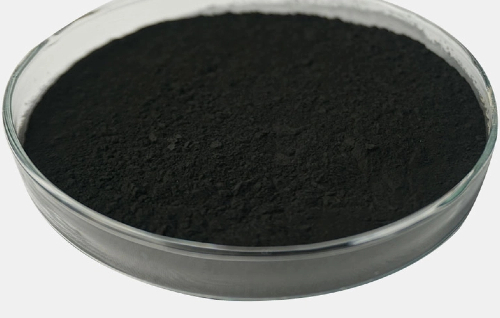
Supercapacitors charge faster than batteries but storing enough energy is tough. Activated carbon solves this with its huge surface area. In this post, you’ll learn why activated carbon is vital for supercapacitors and how it drives market growth and performance.
Fundamental Role of Activated Carbon in Supercapacitors
Activated carbon plays a fundamental role in supercapacitors, mainly due to its unique physical and electrochemical properties. These properties make it an ideal material for electrodes in energy storage devices.
High Surface Area and Its Impact on Charge Storage
One of the most important features of activated carbon is its extremely high surface area, often exceeding 1500 m²/g. This vast surface area provides abundant active sites for charge accumulation. In supercapacitors, charge storage occurs at the interface between the electrode and electrolyte. The large surface area of activated carbon electrodes allows more ions to adsorb, increasing the device’s capacitance significantly.
Porosity and Pore Size Distribution for Ion Transport
Activated carbon exhibits a hierarchical porous structure, including micropores (<2 nm), mesopores (2–50 nm), and macropores (>50 nm). Micropores offer sites for ion adsorption, enhancing capacitance. Mesopores and macropores act as ion transport channels, facilitating fast ion movement during charge and discharge cycles. This well-distributed pore size enhances both energy and power density by optimizing ion accessibility and transport.
Physical Adsorption Mechanism in Charge Storage
Charge storage in activated carbon electrodes primarily relies on physical adsorption. Ions from the electrolyte form an electrochemical double layer on the electrode surface without involving chemical reactions. This non-faradaic process leads to rapid charge and discharge, contributing to the supercapacitor’s high power density and long cycle life.
Double-Layer Formation on Activated Carbon Electrodes
The electric double layer forms at the interface of the activated carbon electrode and electrolyte. Positive and negative ions align on opposite sides of this interface, separated by only a few angstroms. The capacitance (C) is directly proportional to the surface area (A) and inversely proportional to the distance (d) between these layers, as described by the formula:C = k × A / dwhere k is the dielectric constant of the medium. Activated carbon’s large surface area and porous structure maximize A, boosting capacitance.
Influence of Pore Structure on Capacitance and Power Density
The pore structure directly influences both capacitance and power density. Micropores increase capacitance by providing more adsorption sites, while mesopores and macropores facilitate faster ion diffusion, enhancing power density. A balanced pore size distribution in activated carbon electrodes ensures high energy density without sacrificing rapid charge-discharge capability.
Comparison of Activated Carbon with Other Electrode Materials
Compared to other carbon materials like graphene and carbon nanotubes, activated carbon offers a cost-effective solution with a good balance of surface area, conductivity, and durability. While graphene and nanotubes may provide higher capacitance or conductivity, their higher cost and complex fabrication limit large-scale use. Activated carbon remains the most practical choice for commercial supercapacitors due to its availability and performance.
| Material | Surface Area (m²/g) | Electrical Conductivity | Cost | Cycle Life |
| Activated Carbon | 1000–3000 | Moderate | Low | Very High |
| Graphene | 2000–2600 | High | High | High |
| Carbon Nanotubes | 1500–2000 | Very High | Very High | High |
Activated Carbon's Contribution to Cycle Life and Durability
Activated carbon electrodes exhibit excellent cycle stability. Because charge storage is based on physical adsorption without redox reactions, the material undergoes minimal structural degradation over thousands of cycles. This durability ensures long operational life, making activated carbon a reliable choice for supercapacitor electrodes.
Properties of Activated Carbon That Enhance Supercapacitor Performance
Activated carbon’s unique properties make it a standout material for supercapacitor electrodes. These attributes directly influence the efficiency, durability, and cost-effectiveness of activated carbon based supercapacitors.
Surface Area and Porosity Characteristics
Activated carbon boasts an exceptionally high surface area, often ranging from 1000 to 3000 m²/g. This vast surface area is due to its intricate porous structure, which includes micropores, mesopores, and macropores. Micropores (<2 nm) provide abundant sites for ion adsorption, which is critical for high capacitance. Mesopores (2–50 nm) and macropores (>50 nm) act as channels facilitating rapid ion transport during charge and discharge cycles. This hierarchical porous structure optimizes both the activated carbon capacitance and power density by balancing ion storage and mobility.
Electrical Conductivity and Its Effects
While activated carbon is not as conductive as metals or graphene, its moderate electrical conductivity is sufficient for supercapacitor electrodes. The conductivity ensures efficient electron transfer across the activated carbon electrode for supercapacitors, minimizing energy loss during operation. Moreover, the activation process can tailor surface functional groups that influence electrical conductivity. Enhancing conductivity improves the overall electrochemical properties, enabling faster charge-discharge rates and higher power density.
Chemical Stability and Corrosion Resistance
Activated carbon exhibits excellent chemical stability and corrosion resistance, especially in various electrolytic environments. This stability is vital for maintaining performance over thousands of charge-discharge cycles. Unlike some pseudocapacitive materials that degrade chemically, activated carbon’s physical adsorption mechanism ensures minimal structural changes. This resistance to corrosion and chemical attack extends the operational lifespan and reliability of activated carbon electrodes for supercapacitors.
Cost-Effectiveness and Availability
One of activated carbon’s major advantages is its low cost and wide availability. Derived from abundant raw materials such as biomass (coconut shells, rice husks) or coal, activated carbon is economically feasible for large-scale production. This cost-effectiveness makes activated carbon capacitor materials the preferred choice for commercial supercapacitors, offering a practical balance between performance and price.
Adjustability of Pore Size for Specific Applications
The pore size distribution in activated carbon can be tuned during production to suit specific supercapacitor applications. By controlling activation conditions and precursor materials, manufacturers can adjust pore sizes to optimize ion accessibility and storage. For instance, increasing mesopore content can enhance power density for applications requiring rapid charging, while maximizing micropores can improve energy density. This adjustability allows for customized activated carbon electrodes for supercapacitors tailored to diverse energy storage needs.
Activated Carbon Electrode Fabrication and Material Sources
Activated carbon is the backbone of supercapacitor electrodes due to its exceptional surface area and porous structure. How we make and source activated carbon greatly influences the performance of activated carbon based supercapacitors.
Common Methods of Activated Carbon Production
Activated carbon is typically produced through two main methods: physical activation and chemical activation. Physical activation involves carbonizing the raw material at high temperatures (600–900°C) in an inert atmosphere, followed by activation with oxidizing gases like steam or carbon dioxide. Chemical activation uses chemical agents such as phosphoric acid or potassium hydroxide to create porosity at lower temperatures.Both methods aim to develop the activated carbon porous structure that provides the large surface area and pore size distribution essential for energy storage. Chemical activation often yields higher surface areas and better pore connectivity, beneficial for ion transport and capacitance.
Biomass-Derived Activated Carbon and Sustainability
Sustainability is a key focus in activated carbon production. Biomass-derived activated carbon, sourced from agricultural waste like coconut shells, rice husks, and nutshells, offers a renewable and eco-friendly alternative to fossil fuel-derived carbon. This biomass activated carbon not only reduces waste but also lowers the environmental footprint of supercapacitor manufacturing.Using biomass precursors can produce activated carbon with tailored porosity and high surface area, supporting excellent electrochemical properties. This approach aligns well with green energy initiatives and the growing demand for sustainable activated carbon capacitor materials.
Impact of Raw Material Source on Activated Carbon Quality
The raw material source significantly affects the final activated carbon quality. For example, coconut shell-based activated carbon tends to have a higher micropore volume, which enhances activated carbon capacitance by providing more ion adsorption sites. Meanwhile, coal-based activated carbon may offer better electrical conductivity but lower sustainability.Choosing the right raw material allows manufacturers to balance activated carbon energy density and power density according to the supercapacitor’s application. Consistency in raw material quality also ensures reproducible electrochemical performance and long cycle life.
Techniques to Optimize Pore Structure and Conductivity
Optimizing the activated carbon porous structure is vital for maximizing supercapacitor performance. Techniques like templating, controlled activation time, and temperature adjustments help tailor pore size distribution to balance micropores for capacitance and mesopores/macropores for ion transport.Additionally, improving electrical conductivity can involve doping activated carbon with heteroatoms (e.g., nitrogen) or combining it with conductive additives. These enhancements boost activated carbon electrical conductivity, enabling faster charge-discharge cycles and higher power density.
Use of Binders and Composites in Electrode Fabrication
In fabricating activated carbon electrodes for supercapacitors, binders such as polytetrafluoroethylene (PTFE) or polyvinylidene fluoride (PVDF) are used to hold the activated carbon particles together and adhere them to current collectors. Composites combining activated carbon with carbon nanotubes or graphene can improve mechanical strength and conductivity.These composites leverage the high surface area and porosity of activated carbon while enhancing electrical pathways, resulting in electrodes with superior electrochemical properties and durability.
Performance Benefits of Activated Carbon in Supercapacitors
Activated carbon plays a crucial role in enhancing the performance of supercapacitors. Its unique properties directly impact key metrics like energy density, power density, charge-discharge speed, and cycle life, making it a preferred material for advanced energy storage solutions.
Improved Energy Density and Power Density
Activated carbon’s high surface area and well-developed porous structure enable supercapacitors to achieve impressive energy and power densities. The micropores provide abundant sites for ion adsorption, increasing the activated carbon capacitance and thus the energy density. Meanwhile, mesopores and macropores facilitate fast ion transport, boosting power density by allowing quick charging and discharging.
| Performance Metric | Typical Range for Activated Carbon Based Supercapacitors |
| Energy Density (Wh/kg) | 5 – 20 (varies with pore structure and electrolyte) |
| Power Density (kW/kg) | Up to 10 – 20 |
This balance allows activated carbon supercapacitors to deliver bursts of power rapidly while storing a reasonable amount of energy, ideal for applications requiring both.
Rapid Charge-Discharge Capabilities
Due to the physical adsorption mechanism and the formation of an electric double layer at the activated carbon electrode surface, charge and discharge processes occur extremely fast. The hierarchical porous structure minimizes ion diffusion resistance, enabling supercapacitors to charge in seconds or minutes, unlike batteries which take much longer.This rapid response is essential in applications such as regenerative braking in electric vehicles or stabilizing power grids, where quick energy delivery and uptake are critical.
Long Cycle Life and Operational Stability
Activated carbon electrodes exhibit excellent chemical stability and mechanical durability. Since charge storage is based on non-faradaic processes (physical ion adsorption), the electrode material undergoes minimal structural or chemical degradation over thousands to hundreds of thousands of cycles.This stability translates to long operational lifetimes for activated carbon based supercapacitors. They can maintain high capacitance retention (>90%) even after 100,000 cycles, making them highly reliable for continuous use.
Applications in Electric Vehicles and Renewable Energy Systems
Activated carbon supercapacitors are increasingly used in electric vehicles (EVs) for rapid acceleration and energy recovery during braking. Their high power density and long cycle life complement batteries by handling peak power demands and extending overall battery life.In renewable energy systems, such as solar and wind power, activated carbon based supercapacitors provide fast energy storage and release, smoothing out fluctuations and improving grid stability. Their eco-friendly production from biomass sources further supports sustainable energy goals.
Environmental and Economic Impact of Using Activated Carbon
Activated carbon’s role in supercapacitors extends beyond performance—it also offers significant environmental and economic advantages. These benefits make activated carbon a sustainable and cost-effective choice for energy storage technologies.
Renewability and Sustainability of Biomass Sources
Many activated carbon materials come from biomass sources such as coconut shells, rice husks, and agricultural waste. These renewable resources help reduce reliance on fossil fuels and promote circular economy principles. Using biomass-derived activated carbon supports waste valorization by converting agricultural byproducts into valuable capacitor materials. This approach lowers environmental impact and encourages sustainable production practices in the activated carbon capacitor materials industry.
Reduction in Environmental Footprint Compared to Batteries
Activated carbon based supercapacitors have a smaller environmental footprint than traditional batteries. They avoid toxic heavy metals and hazardous chemicals often found in battery electrodes. Moreover, the physical adsorption mechanism in activated carbon electrodes means fewer chemical reactions and less material degradation, reducing waste and contamination. This cleaner energy storage technology aligns well with green energy initiatives, helping industries lower carbon emissions and reduce hazardous waste.
Cost Savings from Low-Cost Raw Materials
Activated carbon is generally inexpensive, especially when sourced from abundant biomass. This cost-effectiveness makes activated carbon electrodes for supercapacitors affordable for large-scale manufacturing. Lower material costs translate to reduced production expenses and more accessible energy storage solutions. Companies benefit from savings without compromising performance, making activated carbon a practical choice for commercial supercapacitor applications.
Support for Green Energy Initiatives
By integrating activated carbon into supercapacitors, manufacturers contribute to sustainable energy goals. Activated carbon facilitates efficient energy storage in renewable systems like solar grids and wind turbines. Its eco-friendly production and recyclability support the transition to cleaner energy infrastructure. Using activated carbon nanomaterials in supercapacitors exemplifies how advanced materials can drive green technology forward.
Challenges and Limitations of Activated Carbon in Supercapacitors
While activated carbon is a key material in supercapacitors, it does face several challenges and limitations that affect overall performance and manufacturing.
Energy Density Limitations Compared to Batteries
Activated carbon based supercapacitors excel in power density and rapid charge-discharge cycles but typically have lower energy density than batteries. This is mainly because energy density depends on how much charge the electrode can store, which is limited by the physical adsorption mechanism in activated carbon electrodes. Although the large activated carbon surface area provides many sites for ion adsorption, the total stored energy remains less than battery materials that rely on faradaic reactions. This trade-off means supercapacitors are better suited for applications requiring quick bursts of energy rather than long-term energy storage.
Variability in Material Quality and Consistency
The quality of activated carbon for supercapacitor electrodes can vary significantly depending on the raw material source and production methods. Biomass precursors such as coconut shells or agricultural waste differ in chemical composition and structure, which affects the activated carbon porous structure, surface area, and electrical conductivity. Inconsistent activation processes can lead to variations in pore size distribution and surface chemistry, impacting the activated carbon capacitance and electrochemical properties. Manufacturers must carefully control sourcing and fabrication to ensure consistent performance across batches.
Sourcing and Manufacturing Complexities
Producing high-quality activated carbon with an optimized porous structure and sufficient electrical conductivity requires precise control during activation and carbonization. Physical and chemical activation methods can be costly and energy-intensive, especially when targeting specific pore size distributions for enhanced ion transport. Additionally, scaling up production while maintaining uniformity is challenging. These complexities can increase costs and limit the availability of premium activated carbon electrode materials for supercapacitors.
Balancing Pore Size Distribution for Optimal Performance
Activated carbon’s performance depends heavily on its pore size distribution. Micropores provide high capacitance by adsorbing ions, but if too many micropores exist without enough mesopores or macropores, ion transport slows down, reducing power density. Conversely, too many large pores decrease surface area and capacitance. Achieving the right balance between micropores for energy density and mesopores/macropores for power density is technically demanding. Manufacturers must fine-tune activation parameters and precursor selection to optimize this balance for targeted supercapacitor applications.
Tip: To overcome activated carbon limitations, focus on precise control of raw materials and activation processes to ensure consistent pore structure and optimal balance between energy and power density in supercapacitor electrodes.
Future Trends and Innovations in Activated Carbon for Supercapacitors
Activated carbon continues to be at the heart of supercapacitor technology. However, ongoing research and innovation are pushing the boundaries of what activated carbon for supercapacitor electrodes can achieve. These future trends promise to enhance performance, sustainability, and application scope.
Development of Advanced Carbon Nanomaterials
Researchers are exploring activated carbon nanomaterials supercapacitor electrodes that combine traditional activated carbon with nanoscale carbon structures. These advanced materials, such as carbon nanofibers and graphene composites, offer higher surface area and improved electrical conductivity. By integrating nanostructures, activated carbon based supercapacitors can achieve greater capacitance and faster charge-discharge rates. This innovation helps overcome some limitations of conventional activated carbon, especially in power density and energy density.
Green and Eco-Friendly Fabrication Methods
Sustainability is a driving force behind new activated carbon capacitor materials. Emerging green fabrication methods use biomass and waste-derived precursors, minimizing environmental impact. Techniques like hydrothermal carbonization and low-temperature chemical activation reduce energy consumption and harmful chemicals. These eco-friendly processes produce activated carbon with tailored porous structures and excellent electrochemical properties. The shift toward greener production supports the growing demand for sustainable activated carbon in energy storage applications.
Hybrid Materials Combining Activated Carbon with Nanostructures
Hybrid electrodes that blend activated carbon with conductive nanomaterials like carbon nanotubes or metal oxides are gaining traction. These composites enhance the electrical conductivity and mechanical strength of activated carbon electrodes for supercapacitors. The hybrid approach leverages the high surface area and porosity of activated carbon while improving ion transport and electron mobility. This synergy results in supercapacitors with higher energy density, power density, and longer cycle life, meeting the needs of advanced energy storage systems.
Emerging Applications in Electric Vehicles and Smart Grids
Activated carbon based supercapacitors are increasingly integral to electric vehicles (EVs) and smart grid technologies. Their rapid charge-discharge capability and long cycle life make them ideal for regenerative braking and power smoothing in EVs. In smart grids, these supercapacitors help balance energy supply and demand, integrating renewable sources more effectively. Innovations in activated carbon materials will further improve performance, enabling wider adoption in these critical sectors.
Market Growth Projections and Technological Advancements
The supercapacitor market is expected to grow rapidly, with a compound annual growth rate (CAGR) exceeding 20% in the coming decade. This expansion is fueled by advancements in activated carbon materials and fabrication techniques. Technological breakthroughs will drive down costs and improve performance, making activated carbon supercapacitors more competitive with batteries. Manufacturers investing in activated carbon nanomaterials and green production methods are well-positioned to lead this growth.
Conclusion
Activated carbon is essential in enhancing supercapacitor performance through its high surface area and porous structure. Its benefits include rapid charge-discharge, long cycle life, and cost-effectiveness. Continued innovation and sustainable production methods further improve these materials for future energy storage needs. Activated carbon remains a cornerstone for advancing supercapacitor technology, enabling efficient and eco-friendly solutions. Zhejiang Apex Energy Technology Co., Ltd. offers high-quality activated carbon products that deliver superior energy storage value and reliable performance.
FAQ
Q: What makes activated carbon ideal for supercapacitor electrodes?
A: Activated carbon’s extremely high surface area and hierarchical porous structure provide abundant sites for ion adsorption and efficient ion transport, enhancing activated carbon capacitance and power density in supercapacitors.
Q: How does the porous structure of activated carbon affect supercapacitor performance?
A: The micropores increase capacitance by adsorbing ions, while mesopores and macropores facilitate fast ion transport, balancing activated carbon energy density and power density for optimal supercapacitor operation.
Q: Why is activated carbon preferred over other carbon materials in supercapacitors?
A: Activated carbon offers a cost-effective balance of high surface area, moderate electrical conductivity, and durability, making it practical for large-scale supercapacitor electrodes compared to pricier materials like graphene or carbon nanotubes.
Q: Can activated carbon electrodes support long cycle life in supercapacitors?
A: Yes, activated carbon’s physical adsorption mechanism ensures minimal structural degradation, providing excellent chemical stability and enabling supercapacitors to maintain high capacitance over thousands of charge-discharge cycles.
Q: What are the challenges of using activated carbon in supercapacitors?
A: Challenges include lower energy density compared to batteries, variability in material quality, and the need to optimize pore size distribution to balance activated carbon capacitance and electrical conductivity for consistent performance.


