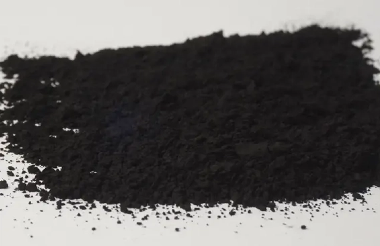
In recent years, the demand for efficient and durable energy storage solutions has grown exponentially. The rapid development of electric vehicles, renewable energy systems, and portable electronic devices has highlighted the limitations of traditional batteries, especially when it comes to delivering high power in short bursts. Supercapacitors, also known as ultracapacitors, have emerged as a vital technology to bridge this gap, offering rapid charge and discharge capabilities, long cycle life, and high power density. At the heart of supercapacitor performance lies the choice of electrode material, with high surface area activated carbon (HSAC) being one of the most important contributors to their success.
At Zhejiang Apex Energy Technology Co., Ltd., we specialize in the development of advanced activated carbon materials specifically tailored for supercapacitor applications. Understanding the science behind these materials can help engineers, researchers, and product developers optimize energy storage devices for a variety of industrial and consumer applications.
What Are Supercapacitors?
Supercapacitors differ fundamentally from conventional batteries in the way they store energy. While batteries rely on chemical reactions to store and release energy, supercapacitors store energy physically through the accumulation of charge at the electrode-electrolyte interface. This process is known as electric double-layer capacitance (EDLC). The result is a device capable of extremely rapid energy delivery and uptake, making it ideal for scenarios requiring quick bursts of power.
Key Advantages of Supercapacitors
Unlike batteries, which often require tens of minutes to hours to charge fully, supercapacitors can achieve full charge in seconds. Their longevity also surpasses that of traditional batteries, often exceeding hundreds of thousands of charge-discharge cycles without significant degradation. Applications range from regenerative braking in electric vehicles to stabilizing power fluctuations in renewable energy grids, and from high-power portable electronics to emergency backup systems.
Why Activated Carbon Is the Material of Choice
Activated carbon has become the preferred electrode material for supercapacitors because of its unique combination of properties. Its high specific surface area allows for extensive charge storage, while its moderate electrical conductivity facilitates electron transport. Activated carbon also demonstrates remarkable chemical stability in common electrolytes and can be manufactured from a variety of natural and synthetic precursors, making it cost-effective for large-scale applications.
Optimizing Carbon for Supercapacitors
The performance of a supercapacitor is closely linked to the properties of the activated carbon used in its electrodes. At Zhejiang Apex Energy Technology Co., Ltd., we focus on optimizing both the structural and chemical characteristics of activated carbon to ensure maximum energy and power performance. This involves controlling pore size distribution, surface chemistry, and electrical pathways to provide electrodes capable of fast ion transport and high charge retention.
Understanding High Surface Area Activated Carbon
High surface area activated carbon is characterized by an intricate network of pores, which are classified based on size as micropores, mesopores, and macropores. Micropores, typically less than 2 nanometers in diameter, provide sites for high-density charge storage. Mesopores, ranging from 2 to 50 nanometers, facilitate rapid ion diffusion, which is essential for high-power applications. Macropores, larger than 50 nanometers, act as reservoirs that improve electrolyte accessibility and reduce resistance during fast charging and discharging.
Role of Surface Chemistry
Beyond porosity, the surface chemistry of activated carbon plays a crucial role. Functional groups such as hydroxyl, carbonyl, and carboxyl groups can enhance wettability, promoting better interaction with the electrolyte and contributing to pseudocapacitance. At Zhejiang Apex Energy Technology Co., Ltd., we carefully tailor the activation process to balance pore development and surface chemistry, ensuring materials that deliver both high energy density and rapid charge-discharge performance.
Electrical Conductivity Considerations
Electrical conductivity is another important factor for high-performance supercapacitors. While carbon is not as conductive as metals, the inclusion of graphitic domains or conductive additives can significantly enhance electron transport, reducing internal resistance and improving overall device efficiency. High surface area activated carbon must therefore provide both abundant ion-accessible sites and efficient electron pathways to achieve optimal performance.
Activation Techniques and Their Influence
Activated carbon can be produced from a variety of natural and synthetic precursors, including coconut shells, coal, wood, and other biomass materials. The activation process, which creates the porous structure, can be divided into physical and chemical methods. Physical activation typically involves carbonization followed by high-temperature treatment with oxidizing gases, which develops the pore network. Chemical activation, on the other hand, uses activating agents such as potassium hydroxide or phosphoric acid to create extensive porosity at lower temperatures.
Impact on Supercapacitor Performance
The choice of activation method directly influences the surface area, pore size distribution, and surface chemistry of the final material. Materials with higher surface area and optimal pore connectivity exhibit better supercapacitor performance, including higher capacitance and faster ion transport. At Zhejiang Apex Energy Technology Co., Ltd., we apply proprietary activation protocols that ensure consistent pore development and surface functionality, tailored to specific electrolyte systems and application requirements.
The Role of High Surface Area in Performance
The energy storage capability of a supercapacitor depends on the electrode's surface area. A higher surface area provides more active sites for ion adsorption, directly increasing the capacitance of the device. However, simply maximizing surface area is not sufficient. Pore accessibility, pore size distribution, and ion transport kinetics are equally critical. Materials with predominantly micropores may exhibit high capacitance but suffer from poor rate capability if ion diffusion is limited. Incorporating mesopores and macropores helps mitigate this limitation, allowing ions to reach active sites quickly and efficiently.
Surface Functional Groups
The chemical environment of the surface affects performance significantly. Oxygen-containing functional groups can enhance the affinity of ions in aqueous electrolytes, increasing effective capacitance. These pseudocapacitive contributions complement the double-layer capacitance mechanism, resulting in superior energy storage performance. Combining high surface area with optimized pore architecture and surface chemistry is essential to realizing high-performance supercapacitors.
Applications of High Surface Area Activated Carbon Supercapacitors
Supercapacitors utilizing high surface area activated carbon have found applications across multiple industries. In the automotive sector, they support regenerative braking systems by storing energy during deceleration and releasing it during acceleration, improving overall energy efficiency. In renewable energy systems, they stabilize voltage and provide rapid power buffering for solar and wind installations. Consumer electronics benefit from their rapid charging capabilities and long operational lifespan, making them suitable for high-power devices and backup energy sources.
Industrial and Emerging Applications
Industrial applications also take advantage of the durability and power density of activated carbon-based supercapacitors. From heavy machinery requiring quick energy bursts to uninterruptible power supplies in critical facilities, these devices ensure reliable and efficient energy delivery where conventional batteries may fall short. Emerging applications in robotics, smart grids, and IoT devices are increasingly adopting these materials for their combination of rapid response and longevity.
Choosing the Right Activated Carbon
Selecting the appropriate activated carbon for supercapacitor electrodes requires careful consideration of several factors. Surface area, pore size distribution, electrical conductivity, and chemical stability must be balanced to match the specific requirements of the intended application. Collaboration with a materials expert or supplier is often beneficial to ensure that the chosen carbon meets both performance and manufacturing criteria.
At Zhejiang Apex Energy Technology Co., Ltd., we provide a range of high surface area activated carbon materials, customized for different supercapacitor designs. Our technical team assists clients in selecting materials that optimize energy density, power density, and cycle life, enabling the development of devices that meet the most demanding specifications.
Conclusion
High surface area activated carbon remains a cornerstone in the development of high-performance supercapacitors. Its unique combination of porous architecture, surface functionality, and electrical properties allows for efficient charge storage and rapid energy delivery. Optimizing these characteristics is essential for applications ranging from electric vehicles and renewable energy systems to portable electronics and industrial power supplies.
For engineers, researchers, and companies seeking advanced activated carbon solutions, Zhejiang Apex Energy Technology Co., Ltd. offers expertise and a comprehensive portfolio of materials. Collaborating with us provides access to tailored high surface area activated carbon, ensuring supercapacitors achieve their full potential in terms of energy storage, power density, and long-term reliability.
FAQ
Q: What is high surface area activated carbon?
A: High surface area activated carbon is a porous carbon material with a large internal surface area, enabling high charge storage capacity in supercapacitor electrodes.
Q: How does pore size affect supercapacitor performance?
A: Micropores provide high charge storage, mesopores improve ion diffusion, and macropores enhance electrolyte access, collectively optimizing energy and power performance.
Q: Why is surface chemistry important for activated carbon?
A: Functional groups on the carbon surface improve wettability and can contribute to pseudocapacitance, enhancing overall capacitance and efficiency.
Q: What applications benefit from high surface area activated carbon supercapacitors?
A: Electric vehicles, renewable energy systems, portable electronics, and industrial power supply systems all benefit from the rapid charge-discharge and high cycle life of these supercapacitors.


