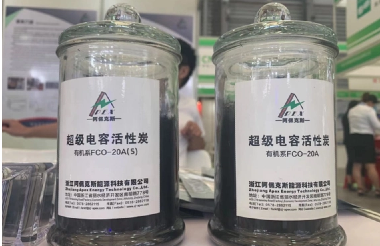
In the rapidly evolving energy storage sector, super capacitors have emerged as a critical technology bridging the gap between conventional capacitors and batteries. Known for their high power density, fast charge/discharge capabilities, and long cycle life, super capacitors are increasingly deployed in renewable energy systems, electric vehicles, portable electronics, and industrial power backup applications. A key component determining their performance is the electrode material, with activated carbon playing a central role in enhancing energy storage capabilities.
Activated carbon offers a unique combination of high surface area, electrical conductivity, and chemical stability, which makes it ideal for super capacitor electrodes. This article explores the role of activated carbon in super capacitors, including its properties, preparation methods, performance optimization, applications, and future trends. Manufacturers, researchers, and investors seeking insights into advanced energy storage solutions will find this guide valuable.
Understanding Super Capacitors
What Are Super Capacitors?
Super capacitors, also known as ultra-capacitors or electrochemical capacitors, are energy storage devices capable of delivering high power in short bursts. Unlike traditional batteries, super capacitors store energy through electrostatic charge accumulation rather than chemical reactions. This enables rapid charging and discharging, high efficiency, and an exceptionally long operational lifespan.
Super capacitors consist of two electrodes, an electrolyte, and a separator. The performance of these devices heavily depends on the electrode materials, which determine capacitance, energy density, and cycle stability. Among various materials, activated carbon stands out for its suitability in commercial and industrial super capacitors.
Key Performance Metrics
Performance of super capacitors is typically evaluated by:
Capacitance: The ability to store charge, measured in farads (F).
Energy Density: Energy stored per unit volume or mass, influencing the duration of energy delivery.
Power Density: The rate at which energy can be delivered, critical for applications requiring rapid bursts of power.
Cycle Life: The number of charge/discharge cycles before performance degrades, often exceeding 1 million cycles in high-quality devices.
Activated carbon electrodes significantly contribute to optimizing these metrics.
Properties of Activated Carbon
High Surface Area
Activated carbon is renowned for its exceptionally high surface area, often exceeding 1000–3000 m²/g. The large surface area provides numerous sites for charge accumulation, directly increasing the capacitance of super capacitors. Porous structures, including micropores and mesopores, enhance ion adsorption and improve energy storage efficiency.
Electrical Conductivity
While inherently a carbon-based material, activated carbon exhibits sufficient electrical conductivity to facilitate rapid electron transfer within the electrode. Conductivity is often further enhanced by combining activated carbon with conductive additives such as carbon nanotubes or graphene.
Chemical and Thermal Stability
Activated carbon is chemically inert and thermally stable, allowing super capacitors to operate safely over a wide temperature range. This stability ensures long-term reliability, even under harsh operating conditions, and prevents electrode degradation over repeated cycles.
Pore Structure
The performance of activated carbon in super capacitors depends on pore size distribution.
Micropores (<2 nm): Increase surface area and enhance charge storage.
Mesopores (2–50 nm): Improve ion transport and reduce resistance.
Macropores (>50 nm): Facilitate electrolyte diffusion and reduce diffusion limitations.
Optimizing the pore structure is critical for balancing energy density, power density, and charge/discharge efficiency.
Preparation Methods of Activated Carbon for Super Capacitors
Physical Activation
Physical activation involves carbonizing a precursor material (such as coconut shells, wood, or coal) at high temperatures under inert atmosphere, followed by activation with steam or carbon dioxide. This process creates a porous structure with high surface area suitable for super capacitor electrodes.
Chemical Activation
Chemical activation uses activating agents like phosphoric acid, potassium hydroxide, or zinc chloride. These chemicals react with the carbon precursor, creating pores and increasing surface area at relatively lower temperatures compared to physical activation. Chemical activation allows better control over pore size distribution, enhancing super capacitor performance.
Biomass-Derived Activated Carbon
Sustainable alternatives include biomass-derived activated carbon from agricultural waste, rice husks, or nutshells. These precursors provide cost-effective, environmentally friendly options with high porosity and good electrical properties.
Composite Electrode Materials
Activated carbon is often combined with conductive additives (graphene, carbon nanotubes) or binders to improve conductivity, mechanical stability, and electrode adhesion. Composite electrodes enhance charge/discharge rates, reduce internal resistance, and extend cycle life.
Role of Activated Carbon in Super Capacitors
Increasing Capacitance
Capacitance in super capacitors is proportional to the surface area of the electrodes. Activated carbon, with its extensive microporous network, provides abundant sites for electrostatic charge accumulation. A higher surface area enables higher capacitance, allowing more energy to be stored in the same electrode volume.
Enhancing Energy and Power Density
Optimized pore structures in activated carbon improve ion transport efficiency. Mesopores and macropores facilitate electrolyte diffusion, enabling fast charging and high power output without sacrificing energy storage capacity. This balance is crucial for applications such as regenerative braking in electric vehicles, which require both high energy density and rapid power delivery.
Improving Cycle Life
Activated carbon’s chemical stability and mechanical integrity allow super capacitors to undergo hundreds of thousands to millions of charge/discharge cycles with minimal degradation. Its inertness prevents oxidation, corrosion, or structural collapse of the electrodes, ensuring long-term reliability.
Reducing Equivalent Series Resistance (ESR)
Low ESR is critical for high-performance super capacitors. Activated carbon, particularly when combined with conductive additives, provides efficient electron pathways, minimizing internal resistance. Reduced ESR improves power density, reduces heat generation, and increases overall efficiency.
Applications of Activated Carbon Super Capacitors
Renewable Energy Systems
Super capacitors store excess energy from renewable sources such as solar or wind, delivering it quickly when needed. High-performance activated carbon electrodes allow for rapid energy uptake and release, balancing fluctuating power inputs.
Electric Vehicles
In electric vehicles, super capacitors complement batteries by providing quick bursts of energy for acceleration or regenerative braking. Activated carbon electrodes enhance rapid charge/discharge capability while maintaining long cycle life.
Industrial Machinery
Industrial equipment often requires high-power backup systems. Super capacitors with activated carbon electrodes supply instantaneous power, stabilizing voltage fluctuations and supporting heavy-duty machinery.
Consumer Electronics
Activated carbon super capacitors are used in portable devices, wearable electronics, and backup power solutions. They offer compact, efficient energy storage for devices requiring frequent charging cycles.
Grid Stabilization
Super capacitors support grid stability by absorbing surges and providing rapid energy release during peak demand. High-quality activated carbon electrodes ensure reliability in large-scale applications.
Future Trends in Activated Carbon Super Capacitors
Nano-Structured Activated Carbon
Advances in nanotechnology allow for ultra-high surface area activated carbon with controlled pore structures. Nanostructured electrodes provide higher capacitance, faster charge/discharge rates, and improved energy density.
Hybrid Capacitor Systems
Combining activated carbon super capacitors with battery systems creates hybrid energy storage solutions. These systems leverage the high power density of capacitors and the high energy density of batteries, optimizing performance for EVs, renewable energy, and industrial applications.
Environmentally Sustainable Materials
Research is focusing on biomass-derived and recyclable activated carbon to create eco-friendly super capacitors. Sustainable electrodes reduce environmental impact while maintaining high performance.
Smart Manufacturing Integration
Activated carbon super capacitors are being integrated with IoT-enabled energy systems, allowing predictive maintenance, real-time monitoring, and optimized energy management in industrial and renewable applications.
Purchasing Considerations for Activated Carbon Super Capacitors
Electrode Quality
Electrode material must exhibit high surface area, proper pore distribution, and good conductivity. Composite electrodes with conductive additives can further improve performance.
Capacitance and Energy Density Requirements
Determine application-specific requirements for capacitance, energy density, and power density to select the appropriate super capacitor design.
Cycle Life and Reliability
High-quality activated carbon electrodes ensure long operational life with minimal degradation over repeated cycles.
Thermal and Chemical Stability
Electrodes should maintain performance under varying temperatures and chemical conditions, particularly for industrial or EV applications.
Supplier Expertise
Partnering with experienced manufacturers ensures access to reliable materials, technical support, and consistent product quality.
Conclusion
Activated carbon plays a pivotal role in the performance of super capacitors, influencing capacitance, energy density, power density, and cycle life. Its high surface area, optimized pore structure, electrical conductivity, and chemical stability make it the ideal choice for electrodes in energy storage applications. From electric vehicles and renewable energy systems to industrial machinery and consumer electronics, activated carbon super capacitors provide reliable, high-performance energy storage solutions.
For businesses and manufacturers seeking high-quality super capacitors, Zhejiang Apex Energy Technology Co., Ltd. offers a comprehensive range of products and expert consultation. Partnering with a trusted supplier ensures access to durable, efficient, and cutting-edge energy storage solutions tailored to your application needs.
FAQ
Q: Why is activated carbon ideal for super capacitor electrodes?
A: Activated carbon offers high surface area, optimized pore structure, and conductivity, enhancing capacitance and cycle life.
Q: How does activated carbon improve energy density in super capacitors?
A: Its microporous and mesoporous structure allows more ions to accumulate, storing more energy per unit volume.
Q: What applications benefit most from activated carbon super capacitors?
A: Electric vehicles, renewable energy systems, industrial machinery, and portable electronics benefit from fast charging and high cycle life.
Q: How do I choose the right activated carbon super capacitor for my project?
A: Consider capacitance, energy density, cycle life, thermal stability, and supplier expertise to match your application needs.


