Ever struggled to light bamboo charcoal? Its dense nature makes ignition challenging. Proper lighting is key to unlocking its full benefits.Bamboo charcoal offers eco-friendly, long-lasting heat for cooking and more. But lighting it requires specific techniques.In this post, you’ll learn what bamboo charcoal is, why lighting matters, and how to light it effectively for best results.
How to Light Bamboo Charcoal Effectively
Understanding the Challenges of Lighting Bamboo Charcoal
Lighting bamboo charcoal can be tricky compared to other types of charcoal. Its dense, chemical-free nature means it doesn’t ignite quickly or easily. Unlike lump charcoal or briquettes, bamboo charcoal requires more patience and the right techniques to start a steady fire. Understanding this challenge helps you prepare better and avoid frustration during your bamboo charcoal fire starting.
Using a Charcoal Chimney for Quick Lighting
One of the best ways to light bamboo charcoal is using a charcoal chimney. This tool allows you to light the charcoal evenly and efficiently without chemical accelerants. Simply fill the chimney with bamboo charcoal, place some crumpled newspaper or natural fire starters underneath, and light them. The chimney’s design encourages airflow, helping the charcoal ignite faster and burn uniformly. After about 15-20 minutes, your bamboo charcoal should be glowing and ready to transfer to your grill or fire pit.
Step-by-Step Guide to the Triangle Stack Method
Another effective bamboo charcoal lighting technique is the triangle stack method. Follow these steps:
Arrange three pieces of bamboo charcoal in a triangle shape on your fireproof surface.
Add a second layer of charcoal on top, maintaining the triangular pattern.
Continue stacking 4-5 layers to build a small pyramid.
Soak some newspaper in cooking oil and place it in the center of the stack.
Light the newspaper carefully and allow the fire to spread through the charcoal.
This method promotes good airflow and creates a stable fire base, helping the bamboo charcoal ignite fully within 15 minutes.
Using Cooking Oil and Newspaper to Ignite Bamboo Charcoal
Cooking oil mixed with newspaper serves as a natural and effective ignition aid. The oil helps the newspaper burn longer and hotter, which in turn ignites the bamboo charcoal more efficiently. Avoid using chemical accelerants, as they can leave unwanted flavors and residues on your charcoal, affecting your grilling or other bamboo charcoal uses.
Avoiding Chemical Accelerants for Pure Bamboo Charcoal
To maintain the purity and benefits of bamboo charcoal, avoid lighter fluids or chemical fire starters. These substances can introduce harmful toxins and alter the natural aroma and taste when using bamboo charcoal for grilling. Instead, opt for natural ignition methods such as chimney starters, newspaper, cooking oil, or firestarter cubes designed for clean burning.
Safety Tips While Lighting Bamboo Charcoal
When lighting bamboo charcoal, always prioritize safety:
Use fireproof gloves and long-handled tools.
Light charcoal in a well-ventilated outdoor area.
Keep a fire extinguisher or water source nearby.
Never leave the fire unattended during ignition.
Ensure your bamboo charcoal setup is on a stable, non-flammable surface.
Reusing Partially Burned Bamboo Charcoal
If your bamboo charcoal doesn’t burn completely, don’t discard it. Once cooled, you can reuse partially burned pieces in your next fire setup. This practice saves cost and reduces waste. Just ensure the charcoal is dry and stored properly to maintain its ignition quality.
Choosing the Right Bamboo Charcoal for Lighting
Types of Bamboo Charcoal Available
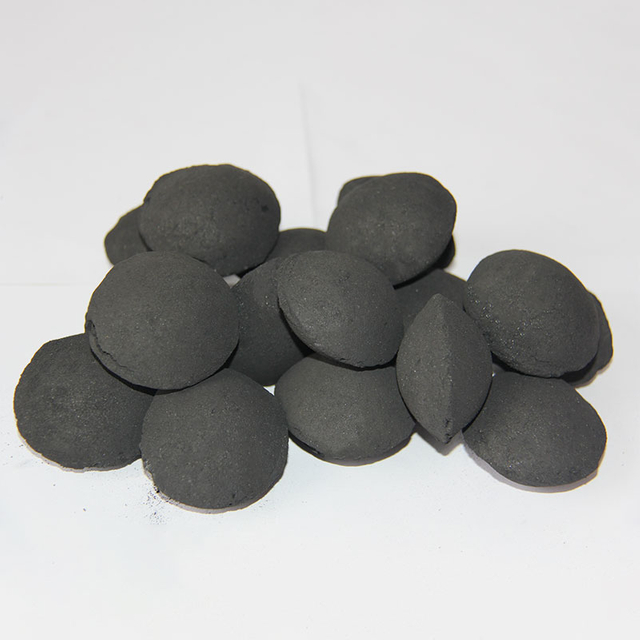
When selecting bamboo charcoal for lighting, it’s essential to know the types you can choose from. Generally, bamboo charcoal comes in two main forms: lump bamboo charcoal and bamboo charcoal briquettes. Lump bamboo charcoal is made by carbonizing whole bamboo pieces, maintaining a more natural shape and texture. Briquettes, on the other hand, are compressed blocks made by binding bamboo charcoal powder with natural binders.Each type has unique characteristics that affect how you’ll approach bamboo charcoal ignition and use. Lump charcoal tends to ignite faster but burns unevenly, while briquettes offer a more consistent burn and heat output, ideal for controlled cooking or grilling.
Differences Between Lump Bamboo Charcoal and Briquettes
Lump bamboo charcoal is prized for its purity and quick ignition, making it suitable for quick-start fires and grilling sessions where you need high heat fast. However, its irregular shapes can create uneven airflow, sometimes making lighting a bit more challenging.Briquettes are denser and more uniform, which helps them burn longer and maintain steady temperatures. They are easier to stack in your bamboo charcoal setup and often preferred for slow cooking or extended grilling. However, briquettes may take a bit longer to ignite due to their compact nature.
How Density and Size Affect Lighting and Burn Time
The density and size of bamboo charcoal pieces directly impact lighting bamboo charcoal and how long it burns. Larger, denser pieces require more time and heat to reach ignition but provide longer-lasting heat once lit. Smaller or less dense pieces light more quickly but burn out sooner.For example, activated bamboo charcoal, often used for purification, tends to be smaller and less dense, making it unsuitable for grilling but excellent for other uses. When lighting bamboo charcoal for fire or cooking, choosing the right size and density ensures efficient bamboo charcoal fire starting and consistent heat output.
Selecting Bamboo Charcoal Based on Intended Use
Your intended bamboo charcoal use guides your charcoal choice. For grilling or cooking, go for high-quality lump bamboo charcoal or briquettes with a consistent size and density. If you want a quick fire for heating or other purposes, smaller lump charcoal pieces might work better.For bamboo charcoal lighting techniques focused on long burn times and steady heat, briquettes are usually the best option. If you prioritize rapid ignition and high heat, lump bamboo charcoal is preferable. Understanding these differences helps you prepare your bamboo charcoal setup perfectly for your needs.
Tools and Accessories to Help Light Bamboo Charcoal
Charcoal Chimneys: Features and Benefits
A charcoal chimney is one of the most effective tools for lighting bamboo charcoal. Its cylindrical design promotes excellent airflow, which is crucial for bamboo charcoal ignition. By placing bamboo charcoal inside the chimney and lighting natural fire starters or crumpled newspaper underneath, the heat rises evenly, igniting the charcoal without the need for chemical accelerants. This method ensures a clean, consistent fire and is especially useful for bamboo charcoal briquettes, which tend to be denser and require more heat to light. The chimney also makes transferring hot coals to your grill or fire pit safer and easier.
Firestarter Buckets and Their Use with Bamboo Charcoal
Firestarter buckets are cylindrical containers with perforations designed to hold charcoal while allowing maximum airflow. They are ideal for lighting bamboo charcoal balls or briquettes. The bucket’s design focuses heat and oxygen around the charcoal, speeding up ignition. To use, fill the bucket with bamboo charcoal, place a natural firestarter or newspaper soaked in cooking oil at the bottom, and light it. The firestarter bucket is portable and convenient, making it a favorite for outdoor grilling setups. It helps maintain a steady flame, which is essential for bamboo charcoal fire starting.
Ignition Wax and Solid Alcohol: Pros and Cons
Ignition wax and solid alcohol are popular natural fire starters that work well with bamboo charcoal. Ignition wax burns hotter and longer than solid alcohol, providing a more sustained heat source to ignite dense bamboo charcoal pieces. However, some users find solid alcohol easier to handle and less messy. Both options avoid chemical residues, preserving the natural flavor when using bamboo charcoal for grilling. The downside is that these ignition aids require careful handling and proper ventilation during use. They are best used in combination with other lighting techniques like the charcoal chimney or firestarter bucket.
Using Flamethrowers Safely for Bamboo Charcoal
Flamethrowers offer a direct and fast way to light bamboo charcoal, especially when using briquettes or lump charcoal in larger quantities. When using a flamethrower, maintain a safe distance of about 15 centimeters from the charcoal to avoid damaging the tool or causing flare-ups. Aim the flame at the gaps between charcoal pieces to maximize airflow and ignition. Always use flamethrowers outdoors in well-ventilated areas and wear protective gear. While effective, flamethrowers should be used cautiously to prevent accidents and ensure even lighting across the bamboo charcoal setup.
Essential Safety Gear for Lighting Bamboo Charcoal
Safety is paramount when lighting bamboo charcoal. Essential gear includes heat-resistant gloves to protect your hands from burns, long-handled tongs for adjusting charcoal safely, and eye protection to shield against sparks. Always light bamboo charcoal outdoors or in well-ventilated spaces to avoid inhaling smoke or fumes. Keep a fire extinguisher or water source nearby, and set up your bamboo charcoal on a stable, non-flammable surface. Proper safety equipment and precautions help prevent accidents and ensure a smooth bamboo charcoal ignition process.
Comparing Bamboo Charcoal Lighting Methods to Other Charcoal Types
Lighting Bamboo Charcoal vs. Lump Charcoal
Lighting bamboo charcoal differs significantly from lighting lump charcoal. Bamboo charcoal is denser and contains no additives, making ignition slower and requiring more sustained heat. Lump charcoal, made from hardwood, ignites faster due to its porous structure and irregular shapes that allow better airflow. When starting a bamboo charcoal fire, you often need specific bamboo charcoal lighting techniques, such as using a charcoal chimney or the triangle stack method, to ensure even ignition. Lump charcoal is generally more forgiving and can be lit quickly with lighter cubes or even lighter fluid, though the latter is not recommended for bamboo charcoal to preserve its purity.
Differences in Burn Temperature and Duration
Bamboo charcoal typically burns hotter and longer than lump charcoal. Its dense composition provides a steady, high heat output ideal for grilling and cooking applications. Lump charcoal heats up quickly but tends to burn out faster and unevenly. The longer burn time of bamboo charcoal means fewer reloads during cooking, making it efficient for extended grilling sessions. However, this also means bamboo charcoal requires more patience during ignition. Proper bamboo charcoal fire starting and lighting techniques are essential to achieve the desired burn temperature and duration.
Environmental and Flavor Considerations
Bamboo charcoal is an eco-friendly alternative to traditional lump charcoal. Bamboo grows rapidly and regenerates quickly, making it a sustainable resource. Additionally, bamboo charcoal is free from chemical additives, which helps avoid unwanted flavors during grilling. In contrast, some lump charcoal products may contain binders or accelerants that affect taste and release toxins when burned. Using natural bamboo charcoal lighting methods preserves the clean flavor profile, making it a preferred choice for health-conscious grillers and environmentally aware users.
Why Bamboo Charcoal Requires Different Lighting Techniques
Because bamboo charcoal is denser and less porous, it demands different lighting strategies than other charcoal types. Its compact structure restricts airflow, which is crucial for ignition and sustained burning. This is why bamboo charcoal lighting techniques focus on maximizing oxygen flow, such as arranging charcoal loosely, using chimney starters, or employing natural fire starters like cooking oil-soaked newspaper. Unlike lump charcoal, bamboo charcoal rarely responds well to quick lighting methods or chemical accelerants. Mastering bamboo charcoal ignition involves understanding these unique properties and adapting your bamboo charcoal setup accordingly.
Maintaining and Managing Bamboo Charcoal During Use
Controlling Airflow for Optimal Burn
Controlling airflow is key to managing bamboo charcoal use effectively. Bamboo charcoal requires a steady supply of oxygen to maintain a consistent burn. Adjusting the vents on your grill or fire pit helps regulate this airflow. Opening vents increases oxygen, boosting the fire's intensity and temperature. Closing them slows the burn, conserving charcoal and preventing overheating. When setting up your bamboo charcoal, arrange the pieces loosely to allow air to circulate freely. This setup supports better bamboo charcoal ignition and sustained heat, essential for grilling or heating purposes.
Creating Heat Zones with Bamboo Charcoal
Creating heat zones is a smart bamboo charcoal use technique, especially for grilling. You can establish direct and indirect heat areas by piling more bamboo charcoal on one side of your grill and fewer on the other. The side with more charcoal burns hotter, ideal for searing meats. The lighter side offers gentler heat, perfect for slow cooking or keeping food warm. This bamboo charcoal setup lets you control cooking temperatures without adjusting vents constantly. It also maximizes the efficient use of your bamboo charcoal fire starting, making grilling more versatile and enjoyable.
Extinguishing Bamboo Charcoal Safely
Safety is crucial when extinguishing bamboo charcoal. To put out the fire, close the grill vents completely to cut off oxygen. This method starves the charcoal, causing it to cool down gradually without producing harmful smoke or sparks. Avoid using water to douse hot bamboo charcoal, as rapid cooling can crack the charcoal and damage your grill. After the charcoal is fully cooled, dispose of ashes properly or save usable pieces for future fires. Safe extinguishing preserves your bamboo charcoal for reuse and maintains a clean, safe grilling area.
Storing and Reusing Bamboo Charcoal
Proper storage extends bamboo charcoal’s lifespan and effectiveness. Keep unused or partially burned bamboo charcoal in a dry, airtight container to prevent moisture absorption. Damp charcoal is difficult to light and produces excessive smoke. When reusing partially burned bamboo charcoal, ensure it’s fully cooled and dry before adding it to a new fire. Mixing fresh and used charcoal can help maintain a steady temperature and reduce ignition time. This practice is economical and environmentally friendly, minimizing waste while optimizing your bamboo charcoal fire methods.
Troubleshooting Common Issues When Lighting Bamboo Charcoal
Why Bamboo Charcoal Might Not Ignite Easily
Bamboo charcoal’s dense structure and lack of chemical additives make it slower to ignite than other charcoal types. If you find your bamboo charcoal not lighting easily, it’s often due to insufficient airflow or using overly compact stacks. Bamboo charcoal needs good oxygen circulation to catch fire. Also, damp or improperly stored charcoal can resist ignition. Always ensure your bamboo charcoal setup is dry and arranged loosely to allow air to flow freely between pieces. Using natural fire starters like newspaper soaked in cooking oil or a charcoal chimney can help overcome ignition difficulties.
Dealing with Slow or Uneven Burning
Slow or uneven burning is a common problem when lighting bamboo charcoal. This usually happens if the charcoal pieces vary greatly in size or are packed too tightly, restricting airflow. To fix this, separate the charcoal into uniform sizes and stack them loosely, allowing oxygen to reach all parts. Using the triangle stack method or a charcoal chimney promotes even heat distribution. If some pieces burn slower, try repositioning them closer to the fire source or adding small kindling to boost heat. Regularly adjusting your bamboo charcoal setup during use helps maintain an even burn and consistent heat output.
Preventing Smoke and Odor Problems
Excessive smoke or unpleasant odors often result from using wet bamboo charcoal or chemical accelerants. Bamboo charcoal should be stored in a dry place to avoid moisture absorption, which causes smoke and difficulty lighting. Avoid lighter fluids or chemical starters, as they leave residues and affect flavor, especially when using bamboo charcoal for grilling. Instead, rely on natural ignition methods like firestarter cubes or cooking oil-soaked newspaper. Proper airflow is also key; smothered fires produce more smoke. Ensuring your bamboo charcoal setup allows good ventilation reduces smoke and keeps odors clean.
Tips for Consistent Heat Output
Achieving consistent heat output relies on proper bamboo charcoal preparation and fire management. Start by selecting charcoal pieces of similar size and density for uniform burning. Use lighting techniques that encourage steady airflow, such as chimney starters or the triangle stack method. Once lit, control oxygen supply by adjusting vents on your grill or fire pit. Creating heat zones can help maintain desired temperatures for different cooking needs. Regularly stir or rearrange charcoal to prevent hot spots and ensure even heat. Remember, patience during bamboo charcoal ignition leads to better fire stability and cooking results.
Conclusion
Mastering the art of lighting bamboo charcoal involves understanding its dense nature and using proper techniques like chimney starters or the triangle stack method. Proper lighting ensures steady heat, longer burn times, and a cleaner cooking experience. Experimenting with different methods helps improve results and confidence. Always prioritize safety by using protective gear and ensuring good ventilation. Zhejiang Apex Energy Technology Co., Ltd. offers high-quality bamboo charcoal products that provide consistent performance and eco-friendly benefits, enhancing your grilling and heating needs.
FAQ
Q: What is the best way to light bamboo charcoal for grilling?
A: The best way to light bamboo charcoal for grilling is using a charcoal chimney with natural fire starters like newspaper soaked in cooking oil. This method ensures even bamboo charcoal ignition without chemical accelerants, resulting in a clean, steady fire ideal for cooking.
Q: Why does lighting bamboo charcoal require special techniques?
A: Bamboo charcoal is denser and chemical-free, making it harder to ignite than lump charcoal. Proper bamboo charcoal lighting techniques, such as the triangle stack method or using a chimney starter, maximize airflow and heat, ensuring efficient bamboo charcoal fire starting.
Q: Can I use chemical accelerants to light bamboo charcoal?
A: It’s best to avoid chemical accelerants when lighting bamboo charcoal, as they can leave residues that affect flavor and produce toxins. Natural ignition aids like cooking oil-soaked newspaper or firestarter cubes are recommended for pure bamboo charcoal lighting.
Q: How can I troubleshoot bamboo charcoal that won’t light easily?
A: If bamboo charcoal doesn’t ignite easily, ensure the charcoal is dry, loosely stacked for airflow, and use natural fire starters. Using a charcoal chimney or the triangle stack method can improve bamboo charcoal ignition and overcome slow lighting issues.
Q: What tools help with lighting activated bamboo charcoal?
A: Tools like charcoal chimneys and firestarter buckets promote better airflow and heat concentration, aiding the ignition of dense activated bamboo charcoal. Combining these with natural fire starters provides effective bamboo charcoal lighting techniques.