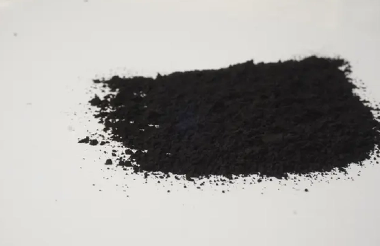
Activated carbon has become one of the most versatile materials in modern industry. Its exceptional adsorption capabilities, high surface area, and chemical stability make it indispensable in water purification, air filtration, energy storage, and chemical processing. As industries increasingly demand high-performance activated carbon, understanding how it is manufactured from various raw materials becomes crucial. At Zhejiang Apex Energy Technology Co., Ltd., we focus on delivering advanced activated carbon tailored to specific applications, and our expertise is built on decades of research into raw materials, activation methods, and material optimization.
This article explores the step-by-step process of producing activated carbon from different feedstocks, examining how the choice of raw material, activation method, and process parameters influence the final material properties. We also discuss best practices, industrial considerations, and insights into producing high-quality activated carbon for diverse applications.
Raw Materials for Activated Carbon
Activated carbon can be derived from a wide range of carbon-rich precursors. The choice of raw material significantly affects the porosity, surface area, and chemical composition of the final product. Commonly used feedstocks include biomass, coal, and synthetic polymers, each offering unique advantages and challenges.
Biomass Materials
Biomass sources, such as coconut shells, wood, palm shells, and agricultural residues, are renewable, abundant, and environmentally friendly. Coconut shell-based activated carbon is highly valued for its hard structure and high microporosity, making it ideal for gas adsorption and water treatment. Wood-based carbon tends to have a broader pore size distribution, providing both micro- and mesopores, which can be advantageous for liquid-phase adsorption and supercapacitor electrodes.
Using agricultural residues, such as rice husks or nutshells, allows for cost-effective production while contributing to waste valorization. However, biomass feedstocks often require careful preprocessing, including drying and size reduction, to ensure consistent carbonization and activation.
Coal and Lignite
Coal, particularly bituminous coal, is another traditional source for activated carbon. Coal-based carbon typically offers high mechanical strength and a controlled microporous structure, which makes it suitable for industrial gas purification and chemical processing applications. Lignite and sub-bituminous coals can also be used, although they may produce carbon with slightly lower surface area due to higher volatile content.
Synthetic Polymers
Synthetic polymers, such as phenolic resins or polyacrylonitrile, are increasingly used in specialized applications where precise control over pore structure and surface chemistry is required. Polymer-derived carbons can be engineered to deliver consistent properties for high-tech applications like supercapacitors, fuel cells, and catalyst supports.
Preprocessing of Raw Materials
Before carbonization, raw materials undergo preprocessing to improve efficiency and quality. For biomass, this typically involves cleaning, drying, and sometimes chemical treatment to remove impurities that could hinder activation. Particle size reduction is important to ensure uniform heat transfer during carbonization and to optimize pore development.
Coal and synthetic polymers may require pulverization or pelletizing to achieve a uniform size. Moisture content must also be controlled, as excessive water can lead to incomplete carbonization and lower surface area.
Carbonization: The First Step
Carbonization is the process of converting raw materials into char by heating them in an oxygen-limited environment. This thermal decomposition removes volatile compounds, leaving behind a carbon-rich material. The temperature, heating rate, and residence time during carbonization significantly affect the structure and yield of the char.
For biomass, carbonization temperatures typically range between 400°C and 700°C. Higher temperatures tend to produce a harder, more graphitic structure with better stability, while lower temperatures preserve more oxygen-containing functional groups. Coal-based materials may require higher carbonization temperatures, sometimes exceeding 800°C, to achieve the desired mechanical strength and porosity.
Activation Methods
Activation transforms carbonized material into high surface area activated carbon by creating a network of pores. There are two primary methods: physical activation and chemical activation.
Physical Activation
Physical activation involves exposing char to oxidizing gases, such as steam or carbon dioxide, at elevated temperatures (usually 800°C to 1000°C). This process selectively burns off portions of the carbon matrix, developing micropores and mesopores. The activation temperature, gas flow rate, and reaction time determine the final surface area and pore structure. Physical activation is advantageous for producing carbons with high thermal and chemical stability, making it suitable for applications like gas adsorption and industrial filtration.
Chemical Activation
Chemical activation uses agents such as potassium hydroxide (KOH), phosphoric acid (H₃PO₄), or zinc chloride (ZnCl₂) to develop porosity at lower temperatures, typically between 400°C and 700°C. The activating agent penetrates the carbon matrix, promoting pore formation and increasing surface area. After activation, residual chemicals are removed through washing and neutralization.
Chemical activation offers several benefits, including higher yield, better control of pore size distribution, and the ability to introduce functional groups for enhanced adsorption or electrochemical performance. However, chemical activation requires careful handling and post-treatment to remove residual chemicals and prevent contamination.
Controlling Pore Structure
The performance of activated carbon is closely tied to its pore structure. Micropores (<2 nm) provide high adsorption capacity, mesopores (2–50 nm) facilitate fast diffusion, and macropores (>50 nm) act as reservoirs that enhance accessibility. By adjusting carbonization and activation conditions, manufacturers can control the ratio of micro-, meso-, and macropores to optimize performance for specific applications.
At Zhejiang Apex Energy Technology Co., Ltd., we apply advanced techniques to tailor pore structures. For instance, biomass-derived carbons can be engineered to have a high micropore fraction for gas-phase adsorption or a balanced micro-meso pore network for liquid-phase applications and energy storage devices like supercapacitors.
Surface Chemistry and Functionalization
Beyond physical porosity, the chemical nature of the carbon surface is essential. Oxygen-containing functional groups such as hydroxyl, carboxyl, and carbonyl can improve wettability and enhance adsorption for polar molecules. Nitrogen-doping or other heteroatom incorporation can modify electronic properties, benefiting applications in catalysis and energy storage.
Surface functionalization is often achieved through post-treatment techniques, including oxidation, plasma treatment, or impregnation with activating chemicals. Careful control of surface chemistry ensures compatibility with the intended application, whether it is water purification, air filtration, or electrochemical energy storage.
Quality Control in Manufacturing
Producing high-quality activated carbon requires rigorous quality control throughout the process. Parameters such as surface area, pore size distribution, bulk density, ash content, and mechanical strength must be monitored. Techniques like nitrogen adsorption-desorption (BET method), scanning electron microscopy (SEM), and Fourier-transform infrared spectroscopy (FTIR) are commonly used to characterize the material.
Consistency is critical for industrial applications. Variations in raw material, activation conditions, or handling can result in significant differences in performance. By implementing standardized procedures and continuous monitoring, manufacturers can ensure that activated carbon meets precise specifications.
Industrial Considerations
Scaling up activated carbon production involves several challenges. Energy consumption, handling of chemicals, and environmental compliance must all be considered. Physical activation generally requires higher energy input but avoids chemical residues, whereas chemical activation is more efficient in terms of yield but involves careful management of chemical waste.
Safety considerations are also paramount, especially when handling high-temperature processes or strong chemical activators. Proper ventilation, protective equipment, and training are necessary to minimize risks in the manufacturing facility.
Applications of Activated Carbon
Activated carbon has a wide range of industrial and consumer applications. In water treatment, it removes organic contaminants, chlorine, and odor compounds. In air purification, it adsorbs volatile organic compounds (VOCs) and pollutants. Energy storage applications, including supercapacitors and batteries, benefit from carbons with high surface area and tailored porosity. Other applications include catalyst supports, chemical purification, and gas separation.
By selecting the appropriate raw material and tailoring the activation process, manufacturers can produce carbons optimized for these diverse applications. At Zhejiang Apex Energy Technology Co., Ltd., our team works closely with clients to match carbon properties with performance requirements, ensuring efficient and reliable solutions.
Conclusion
The manufacture of activated carbon is a complex process that depends on the careful selection of raw materials, precise control of carbonization and activation, and attention to surface chemistry. Biomass, coal, and synthetic polymers each offer unique advantages, while physical and chemical activation methods allow for tailored pore structures and functional properties. Quality control and industrial considerations ensure that the final product meets the demanding standards of modern applications.
For companies and researchers seeking high-performance activated carbon, Zhejiang Apex Energy Technology Co., Ltd. provides expertise, customized solutions, and a wide range of materials suitable for water purification, air filtration, energy storage, and industrial processing. Partnering with experienced manufacturers ensures access to high-quality activated carbon optimized for specific applications and consistent performance.
FAQ
Q: What raw materials can be used to make activated carbon?
A: Activated carbon can be produced from biomass such as coconut shells and wood, coal, and synthetic polymers, each affecting pore structure and performance.
Q: What is the difference between physical and chemical activation?
A: Physical activation uses high-temperature oxidizing gases to develop pores, while chemical activation employs chemical agents to create porosity at lower temperatures with more control over surface chemistry.
Q: How does pore size affect the performance of activated carbon?
A: Micropores increase adsorption capacity, mesopores improve diffusion rates, and macropores enhance accessibility, together determining efficiency for specific applications.
Q: Why is surface functionalization important?
A: Functional groups improve wettability and can enhance adsorption or electrochemical properties, making the carbon more effective for water treatment, gas purification, or energy storage.


