Grilling is more than just a cooking method—it’s an experience. The smell of sizzling food, the joy of sharing meals with friends and family, and the unmistakable taste that only comes from cooking over an open flame. But as much as we love the flavor that grilling brings, we must also acknowledge the impact that traditional charcoal has on our environment. The future of grilling is evolving, and eco-friendly charcoal options are leading the way toward more sustainable cooking practices.
Charcoal is a beloved fuel for outdoor grilling, but traditional charcoal production can contribute to deforestation, increased carbon emissions, and other environmental issues. In response to this, manufacturers and eco-conscious grillers are exploring alternatives that provide the same great taste with a much smaller environmental footprint. This shift to eco-friendly charcoal is helping to ensure that we can enjoy our outdoor cooking rituals without harming the planet.
The Problem with Traditional Charcoal
To understand the need for eco-friendly alternatives, it’s essential to first look at the environmental problems associated with traditional charcoal. Many types of conventional charcoal are made from hardwood trees, which are often harvested unsustainably. This leads to deforestation, loss of biodiversity, and an increase in carbon emissions. Furthermore, the charcoal production process itself is often inefficient and contributes to air pollution. Many briquettes, for instance, are made with chemical binders and fillers that can release harmful substances into the air when burned, affecting air quality and flavor.
In addition, traditional charcoal is not always consistent in its burn. This means that it can produce uneven heat, create more ash, and sometimes result in an overly smoky grilling experience. While grilling with traditional charcoal may feel nostalgic, it’s clear that it comes with hidden environmental and performance costs.
What Makes Charcoal “Eco-Friendly”?
When we talk about eco-friendly charcoal, we refer to products that are produced using sustainable practices and materials. These alternatives are designed to minimize environmental impact, reduce emissions, and promote sustainability. Eco-friendly charcoal is typically made from renewable resources, such as agricultural byproducts, fast-growing plants, or sustainably managed forests. It also tends to burn cleaner, producing less smoke and leaving behind less ash. The goal is to enjoy a grilling experience that doesn’t compromise the health of the planet.
Key features of eco-friendly charcoal include using renewable feedstocks instead of cutting down trees, avoiding harmful chemicals in the production process, and ensuring a cleaner, more efficient burn. By choosing these products, we can still enjoy the smoky flavors we love while reducing our carbon footprint and supporting sustainable practices.
Top Eco-Friendly Charcoal Options
There are several alternative charcoal options that are gaining popularity among environmentally conscious grillers. These options not only provide a cleaner and more efficient burn but also support sustainable farming and forestry practices.
Coconut Shell Charcoal
Coconut shells, a byproduct of coconut farming, have become a popular source of eco-friendly charcoal. Rather than relying on wood from trees, coconut shell charcoal makes use of agricultural waste that would otherwise go unused. The production process involves burning the shells in a controlled environment, which creates a clean and consistent charcoal with a high energy output. Coconut shell charcoal is known for burning hotter and cleaner than traditional charcoal, producing minimal ash and smoke. It’s also renewable, as coconuts are a fast-growing crop, making this type of charcoal an environmentally friendly choice.
Bamboo Charcoal
Bamboo is another eco-friendly charcoal alternative that is gaining popularity. Bamboo is one of the fastest-growing plants in the world, making it a highly renewable resource. It grows quickly without the need for replanting, making it a sustainable option for charcoal production. Bamboo charcoal has a high carbon content, which allows it to burn hotter and longer than many traditional charcoal options. It also produces less smoke and ash, contributing to a cleaner grilling experience. Bamboo charcoal is often used in Asia and is slowly making its way into Western markets as a sustainable grilling fuel.
Sustainably Sourced Hardwood Lump Charcoal
While hardwood lump charcoal is often associated with environmental degradation, some manufacturers are now producing it using sustainably managed forests. These forests are carefully managed to prevent deforestation and promote biodiversity. By choosing charcoal made from sustainably sourced hardwood, consumers can enjoy the flavor of traditional charcoal while supporting responsible forestry practices. This type of charcoal burns hotter and faster than briquettes and produces less ash, making it a good option for grillers looking for a more eco-friendly alternative to traditional charcoal.
Compressed Biomass Briquettes
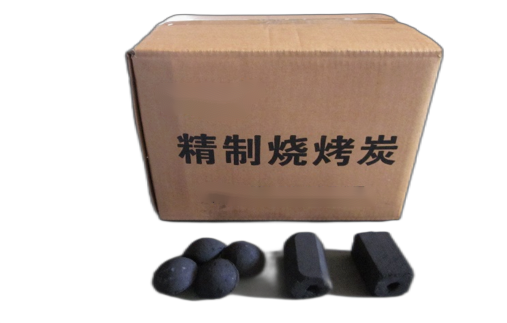
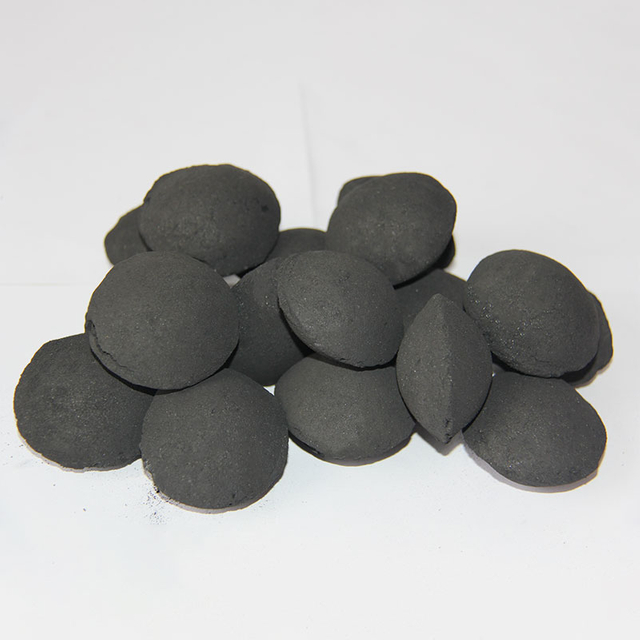
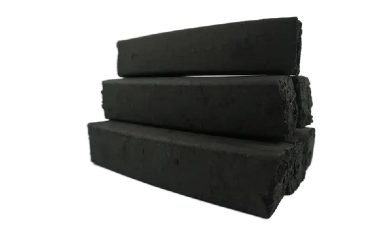
Another option that is gaining traction is charcoal made from compressed biomass, such as sawdust, agricultural residues, or other organic waste products. These briquettes are made by compressing the biomass into uniform shapes, which allows for a more efficient burn. Compressed biomass briquettes burn hotter and longer than traditional charcoal, and they leave behind minimal ash. Since they are made from agricultural byproducts, they reduce waste and make use of materials that would otherwise be discarded. This makes them a great option for those looking for a more sustainable grilling fuel.
Biochar
Biochar is a type of charcoal that is made through a process called pyrolysis, which involves heating organic materials in the absence of oxygen. Biochar is often used as a soil amendment to improve soil quality and sequester carbon, making it an excellent choice for those looking to reduce their environmental impact. Although biochar is not typically used as a grilling fuel, it’s important to note that it shares many of the same characteristics as eco-friendly charcoal. Biochar is made from renewable resources, produces a cleaner burn, and can be produced using sustainable methods.
The Benefits of Eco-Friendly Charcoal
Switching to eco-friendly charcoal offers a number of benefits for both the environment and the griller. One of the most significant advantages is the reduction in carbon emissions. Traditional charcoal production contributes to deforestation and increased carbon output, while eco-friendly alternatives such as coconut shell and bamboo charcoal help reduce this impact by using renewable resources.
Eco-friendly charcoals also tend to burn hotter and cleaner, which means less smoke and ash. This leads to a better grilling experience with less hassle during cleanup. Furthermore, many of these alternatives are made from agricultural byproducts, reducing waste and providing a use for materials that would otherwise be discarded.
By choosing eco-friendly charcoal, grillers can enjoy their outdoor cooking sessions with a sense of responsibility, knowing they are making a more sustainable choice. In addition, many of these alternatives provide superior performance, offering consistent heat and long burn times, making them ideal for grilling a wide variety of foods.
Making the Switch to Eco-Friendly Charcoal
If you're interested in making the switch to eco-friendly charcoal, there are a few things to keep in mind. First, consider the type of charcoal that best fits your grilling needs. Some eco-friendly charcoals, like coconut shell charcoal, burn hotter and faster, while others, like bamboo charcoal, offer a longer burn time. Experiment with different options to find the one that works best for your grilling style.
It's also important to check for certifications and labels that indicate sustainability. Look for products that are certified by organizations such as the Forest Stewardship Council (FSC) or that use recycled materials in their production. This will help ensure that you're choosing a product that meets high environmental standards.
When using eco-friendly charcoal, it's also important to practice responsible grilling habits. Ensure that your grill is properly maintained, use the right amount of charcoal for your cooking needs, and be mindful of how much fuel you use during each grilling session. By adopting these practices, you can maximize the environmental benefits of eco-friendly charcoal.
The Future of Sustainable Grilling
The shift towards eco-friendly charcoal is part of a broader trend toward sustainability in the grilling industry. As more consumers become aware of the environmental impact of traditional charcoal, demand for greener alternatives will continue to rise. Manufacturers are responding to this demand by developing new and innovative products that are both high-performance and environmentally responsible.
At the same time, advancements in charcoal production technologies, such as improved pyrolysis methods and better control of emissions, are helping to make eco-friendly charcoal even more efficient and accessible. As these technologies improve, we can expect to see more eco-friendly charcoal options enter the market, further reducing the environmental impact of grilling.
One company at the forefront of this movement is Zhejiang Apex Energy Technology Co., Ltd.. This company is dedicated to developing sustainable energy solutions, including eco-friendly charcoal products that are made from renewable resources. By prioritizing environmental responsibility and innovative manufacturing practices, Zhejiang Apex Energy Technology is helping to shape the future of sustainable grilling. Their products not only offer a cleaner grilling experience but also support the global push for a more sustainable and eco-conscious world.
Conclusion
As grilling becomes an even more popular pastime worldwide, the future of grilling fuels looks brighter with the rise of eco-friendly charcoal options. From coconut shell charcoal to bamboo and compressed biomass briquettes, these sustainable alternatives offer the same great taste while helping to reduce environmental impact. By making the switch to eco-friendly charcoal, we can all enjoy our grilling experiences with a clearer conscience and contribute to a healthier planet.
Whether you're a seasoned griller or just starting out, the next time you fire up your grill, consider choosing an eco-friendly charcoal. Not only will you be making a more sustainable choice, but you’ll also be part of a growing movement that’s helping to make the world a better place, one delicious meal at a time.