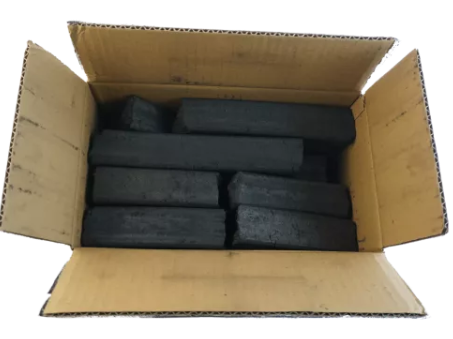
Did you know not all charcoals are the same? Bamboo charcoal and activated charcoal differ greatly in use and benefits. Choosing the right type matters for health and environment. In this post, you’ll learn key differences, uses, and how to pick the best charcoal for your needs.
Key Differences Between Bamboo Charcoal and Activated Charcoal
Production Methods: High Heat vs. Activation Process
Bamboo charcoal is produced by heating bamboo stalks at high temperatures, typically between 800°C to 1200°C, in a low-oxygen environment. This carbonization process transforms the bamboo into charcoal with a naturally porous structure. In contrast, activated charcoal undergoes an additional activation step. After initial carbonization, it is treated with steam, gases, or chemicals at high temperatures to create a highly porous surface. This activation significantly increases its surface area and adsorption capacity, making it more effective for purification tasks.
Structural Differences: Porosity and Surface Area
The key structural difference lies in porosity. Bamboo charcoal has numerous small pores formed during carbonization, which allow it to absorb moisture and some odors effectively. However, activated charcoal contains a much greater number of tiny pores due to the activation process. This results in a vastly larger surface area—sometimes comparable to several football fields per gram—enabling activated charcoal to trap more toxins and impurities than bamboo charcoal can.
Adsorption Capacity and Efficiency
Activated charcoal outperforms bamboo charcoal in adsorption capacity. Its enhanced porosity allows it to bind a wider range of contaminants, including gases, chemicals, and toxins. Bamboo charcoal, while effective at moisture absorption and odor control, has a lower capacity for trapping harmful substances. This makes activated charcoal the preferred choice for applications requiring deep purification, such as water filtration and medical detoxification.
Appearance and Physical Characteristics
Visually, bamboo charcoal tends to be more granular and less refined. It often retains the shape and texture of the original bamboo stalks. Activated charcoal, however, is usually finer and more uniform, available in powder, granular, or pellet forms. Its appearance reflects the intensive processing it undergoes to maximize porosity and adsorption.
Environmental Impact and Sustainability
Bamboo charcoal scores high on sustainability. Bamboo is a fast-growing, renewable resource that can be harvested without deforestation concerns. Its production generally has a lower environmental footprint compared to other charcoal types. Activated charcoal, depending on its source material—whether bamboo, coconut shells, wood, or coal—varies in sustainability. Bamboo-based activated charcoal combines the eco-friendly benefits of bamboo with the enhanced properties of activation, offering a greener alternative to coal-based activated carbon.
Cost and Availability
Bamboo charcoal products tend to be more affordable and widely available, especially in regions where bamboo grows abundantly. Activated charcoal is often more expensive due to its complex production process. However, prices vary based on the raw materials and activation methods used. Activated bamboo charcoal may command a premium for combining sustainability with high performance.
Summary of Critical Differences
| Aspect | Bamboo Charcoal | Activated Charcoal |
| Production | High heat carbonization of bamboo | Carbonization + activation (steam/gas/chemicals) |
| Porosity & Surface Area | Moderate porosity | Very high porosity, large surface area |
| Adsorption Capacity | Good for moisture and odors | Superior for toxins, gases, and impurities |
| Appearance | Granular, retains bamboo texture | Fine powder, granular or pelletized |
| Environmental Impact | Highly sustainable, renewable | Varies; bamboo-based is eco-friendly |
| Cost | Generally lower | Usually higher due to activation process |
Understanding these differences helps you choose the right charcoal type for your needs, whether it’s for air purification, odor control, or toxin removal.
Properties and Composition of Bamboo Charcoal
Raw Material and Carbonization Process
Bamboo charcoal is made from bamboo stalks, a fast-growing and renewable resource. The process involves heating bamboo at very high temperatures—typically between 800°C and 1200°C—in an oxygen-limited environment. This carbonization transforms bamboo into charcoal while preserving its natural porous structure. Unlike activated charcoal, bamboo charcoal does not undergo chemical activation, which means it retains more of the bamboo's original texture and composition. This process produces bamboo charcoal products that are eco-friendly and sustainable.
Porosity and Moisture Absorption
One of the standout features of bamboo charcoal is its porous nature. Millions of tiny pores develop during carbonization, making it highly effective at absorbing moisture from the air. This moisture absorption helps regulate indoor humidity, preventing mold and mildew growth. Bamboo charcoal’s porosity also allows it to trap dust and other airborne particles, making it a popular choice for bamboo charcoal air purifying products. However, its adsorption capacity is moderate compared to activated charcoal, especially when it comes to binding toxins.
Natural Odor and Pollutant Removal
Bamboo charcoal naturally absorbs odors and pollutants, helping to freshen indoor spaces. It traps unpleasant smells from pets, cooking, and dampness by adsorbing volatile organic compounds (VOCs) and other airborne contaminants. This makes bamboo charcoal air purifier bags a popular, chemical-free option for maintaining clean air in homes and offices. While it doesn’t match the intense adsorption power of activated charcoal, its ability to control odors and pollutants is impressive for everyday use.
Role as a Natural Fertilizer
Beyond air purification, bamboo charcoal serves as a natural fertilizer. Its porous structure retains nutrients and moisture in soil, improving soil quality and promoting healthy plant growth. Farmers and gardeners use bamboo charcoal products to enrich garden soil and potting mixes. It releases beneficial minerals like potassium, calcium, and magnesium slowly, enhancing soil fertility without harmful chemicals. This dual use highlights bamboo charcoal’s versatility and environmental benefits.
Health and Skincare Benefits
Bamboo charcoal is increasingly used in skincare products due to its gentle detoxifying properties. It helps remove impurities, excess oils, and toxins from the skin without harsh chemicals. Bamboo charcoal powders and masks can unclog pores and balance skin pH, promoting a clearer complexion. Though less potent than activated charcoal for medical detoxification, bamboo charcoal offers safe, natural benefits in personal care routines.
Properties and Composition of Activated Charcoal
Raw Materials Used and Activation Techniques
Activated charcoal is crafted from various carbon-rich materials, including bamboo, coconut shells, wood, and coal. The production begins with carbonization—heating the raw material in an oxygen-limited environment to form basic charcoal. To transform this charcoal into activated charcoal, manufacturers apply an activation process. This involves treating the charcoal with steam, gases, or chemicals at high temperatures, creating a network of microscopic pores. When bamboo serves as the raw material, the product is known as activated bamboo charcoal, combining bamboo’s sustainability with enhanced adsorption properties.
Enhanced Porosity and Surface Area
The activation process drastically increases the charcoal’s porosity and surface area. Activated charcoal can have a surface area equivalent to several football fields per gram, thanks to millions of tiny pores. These pores provide vast adsorption sites, enabling the charcoal to trap a wide range of substances. Compared to regular bamboo charcoal, activated charcoal's structure is far more refined and uniform, often available as powder, granules, or pellets. This enhanced porosity makes it highly effective for filtering impurities from air and water.
Superior Toxin and Pollutant Adsorption
Activated charcoal excels at adsorbing toxins, chemicals, and pollutants. Its porous surface captures gases, volatile organic compounds (VOCs), and harmful substances with remarkable efficiency. This makes it a preferred choice for purifying air, removing home odors, and treating contaminated water. Activated charcoal from bamboo harnesses these benefits while offering an eco-friendly alternative to coal-based activated carbon. Its ability to adsorb a broad spectrum of impurities surpasses that of bamboo charcoal, making it ideal for deeper purification needs.
Medical and Detoxification Uses
Activated charcoal has long been valued in medicine for its detoxifying properties. It is commonly used to treat poisonings and overdoses by binding toxins in the gastrointestinal tract, preventing their absorption. Additionally, activated charcoal is found in supplements and skincare products, where it helps cleanse the skin by removing oils and impurities. While bamboo charcoal offers gentle skincare benefits, activated charcoal provides a more potent detox effect, suitable for both medical and cosmetic applications.
Applications in Water and Air Purification
In water treatment, activated charcoal filters out contaminants such as chlorine, pesticides, and heavy metals, improving water quality and taste. In air purification, it traps odors, smoke, and harmful gases, making it a key component in air purifiers and activated bamboo charcoal air purifying products. Its versatility extends to industrial uses, environmental cleanup, and household odor control. Activated charcoal’s superior adsorption capacity ensures effective purification across diverse settings.
Tip: For businesses developing air purifiers or water filters, incorporating activated bamboo charcoal can combine high adsorption efficiency with eco-friendly sourcing, appealing to sustainability-conscious consumers.
Comparative Uses and Applications
Air Purification and Odor Control
Bamboo charcoal and activated charcoal both serve as effective air purifiers but differ in their strengths. Bamboo charcoal air purifying products excel at moisture absorption and controlling odors naturally. They trap dust and reduce humidity, making them ideal for everyday home use, especially in damp areas or spaces with pets. Bamboo charcoal air purifier bags are popular for their eco-friendly nature and gentle odor control.Activated charcoal, on the other hand, offers superior adsorption of airborne toxins, volatile organic compounds (VOCs), and strong odors. Activated bamboo charcoal air purifiers combine bamboo’s sustainability with activated charcoal’s enhanced toxin-trapping ability. For homes dealing with persistent odors or chemical pollutants, activated charcoal is often the preferred choice.
Water Filtration and Treatment
Activated charcoal is widely used in water filtration due to its highly porous structure, which efficiently removes chlorine, pesticides, heavy metals, and other contaminants. Activated charcoal from bamboo can be a sustainable alternative in water filters, maintaining high purification standards while reducing environmental impact.Bamboo charcoal also contributes to water purification but is less effective than activated charcoal for deep filtration. It is often used in traditional or natural water treatment methods where moderate purification is sufficient.
Health and Wellness Applications
Activated charcoal is well-known for medical detoxification, such as treating poisonings and overdoses by adsorbing toxins in the digestive system. It also appears in supplements and skincare for its deep cleansing properties.Bamboo charcoal is used more gently in health and wellness, offering benefits like moisture control and mild detoxification. Bamboo charcoal products in skincare help remove impurities and balance skin without the intensity of activated charcoal.
Skincare and Cosmetic Uses
Activated charcoal’s fine powder form allows it to deeply cleanse pores and remove excess oils, making it popular in masks, cleansers, and exfoliants. Activated bamboo charcoal combines this effectiveness with the natural benefits of bamboo.Bamboo charcoal use in skincare is more subtle. It supports gentle detoxification and moisture balance, suitable for sensitive skin types. Bamboo charcoal powders and products offer a natural alternative in cosmetic lines emphasizing sustainability.
Agricultural and Soil Enhancement
Bamboo charcoal plays a significant role as a natural fertilizer. Its porous structure retains nutrients and moisture, improving soil quality and plant growth. Bamboo charcoal products are valued in gardening and agriculture for their eco-friendly soil enhancement.Activated charcoal is less commonly used in agriculture but can improve soil aeration and toxin removal when applied appropriately.
Food Preparation and Cooking
Both types of charcoal find use in cooking. Bamboo charcoal is favored for grilling due to its fast ignition and long-lasting burn, imparting a mild flavor without harmful chemicals.Activated charcoal is used in food preparation more as an additive or coloring agent and for detoxifying properties rather than as a fuel source.
Factors to Consider When Choosing Between Bamboo Charcoal and Activated Charcoal
Intended Purpose and Desired Outcomes
When deciding between bamboo charcoal and activated charcoal, your specific goals matter most. Bamboo charcoal is excellent for moisture control, mild odor absorption, and general air purification. It naturally traps dust and humidity, making it ideal for everyday home environments. If you want to reduce dampness or freshen a room with an eco-friendly option, bamboo charcoal air purifying products are a great fit.On the other hand, activated charcoal is designed for deeper purification. Its vast surface area and enhanced porosity enable it to adsorb a wider range of toxins, chemicals, and pollutants. For tasks like water filtration, removing stubborn home odors, or medical detoxification, activated charcoal or activated bamboo charcoal air purifiers deliver superior results. Consider the difference between bamboo charcoal and activated charcoal as a matter of intensity: bamboo charcoal gently improves air quality, while activated charcoal aggressively traps contaminants.
Environmental and Sustainability Considerations
Bamboo charcoal stands out for sustainability. Bamboo grows rapidly and regenerates quickly, making bamboo charcoal products highly renewable and eco-friendly. Choosing bamboo charcoal products supports reduced deforestation and lower environmental impact. When activated charcoal is made from bamboo, it combines this sustainability with enhanced adsorption power, offering a green alternative to coal-based activated charcoal.Activated charcoal's environmental footprint varies with its raw material source. Coconut shell and wood-based activated charcoal also offer renewable options, but coal-based activated carbon tends to have a higher environmental cost. If sustainability is a key factor for your business or product development, bamboo charcoal or activated bamboo charcoal should be prioritized.
Effectiveness in Specific Applications
Effectiveness depends on the application. Bamboo charcoal is best suited for air purification tasks focused on moisture absorption, dust control, and mild odor elimination. It works well in bamboo charcoal air purifier bags, closets, cars, and pet areas.Activated charcoal is more effective for removing volatile organic compounds (VOCs), smoke, chemical odors, and toxins from air and water. Activated bamboo charcoal air purifiers combine these strengths with bamboo’s eco-friendliness, making them suitable for homes with persistent odors or for industrial-grade filtration.
Cost and Accessibility
Bamboo charcoal products are generally more affordable and widely available, especially in regions where bamboo is abundant. Their simpler production process keeps costs low, making them accessible for everyday consumer use.Activated charcoal, due to its complex activation process, tends to be more expensive. Activated bamboo charcoal may command a premium price because it offers both sustainability and high performance. When budgeting for air purifiers or filtration systems, consider the trade-off between cost and adsorption efficiency.
Health and Safety Implications
Both types of charcoal are safe when used appropriately. Bamboo charcoal is non-toxic and safe for households with children and pets, often used in natural deodorizing and moisture control products.Activated charcoal is safe for medical and cosmetic uses but requires careful handling in powdered form to avoid inhalation risks. Its strong adsorption properties can interfere with nutrient absorption if ingested improperly. For health and skincare applications, activated charcoal offers potent detoxification, while bamboo charcoal provides gentle cleansing.
Pros and Cons of Bamboo Charcoal and Activated Charcoal
Advantages of Bamboo Charcoal
Bamboo charcoal offers several benefits, especially for everyday use. It is highly sustainable since bamboo grows quickly and regenerates easily. This makes bamboo charcoal an eco-friendly choice among bamboo charcoal products. Its natural porous structure absorbs moisture effectively, which helps reduce humidity and prevent mold growth indoors. Bamboo charcoal air purifying bags are popular for controlling odors in closets, cars, and pet areas without chemicals or artificial fragrances. Additionally, bamboo charcoal use extends to natural fertilizers, improving soil quality by retaining nutrients and moisture. In skincare, bamboo charcoal gently removes impurities and excess oils, making it suitable for sensitive skin. Overall, bamboo charcoal provides a versatile, natural solution for air purification, odor control, and environmental health.
Limitations of Bamboo Charcoal
Despite its strengths, bamboo charcoal has limitations. Its adsorption capacity is moderate compared to activated charcoal, especially for trapping toxins and chemicals. Bamboo charcoal for dust and odor control works well in mild cases but may fall short against strong pollutants or volatile organic compounds (VOCs). It lacks the enhanced porosity that activated charcoal gains through activation, limiting its effectiveness in medical or industrial applications. Bamboo charcoal air purifying products require periodic recharging in sunlight to maintain performance, which might be inconvenient for some users. Also, bamboo charcoal is less suitable for deep water filtration or detoxification purposes, where activated charcoal excels.
Advantages of Activated Charcoal
Activated charcoal, including activated bamboo charcoal, stands out for its superior adsorption capabilities. The activation process creates millions of microscopic pores, vastly increasing surface area and making it highly efficient at trapping toxins, chemicals, and pollutants. This makes activated charcoal ideal for water filtration, medical detoxification, and removing stubborn home odors. Activated bamboo charcoal air purifiers combine sustainability with powerful purification. In skincare, activated charcoal deeply cleanses pores and removes impurities, helping with acne and oily skin. Its versatility extends to industrial uses, environmental cleanup, and food preparation. Activated charcoal’s potent adsorption capacity makes it the go-to choice for applications requiring thorough purification.
Limitations of Activated Charcoal
Activated charcoal also has drawbacks. Its production is more complex and costly, which can raise prices for activated charcoal products. Powdered activated charcoal poses inhalation risks if not handled properly, requiring caution during use. Its strong adsorption can interfere with nutrient absorption if ingested improperly, limiting its use in some health contexts. Activated charcoal products may not be as environmentally sustainable if sourced from non-renewable materials, although bamboo-based activated charcoal offers a greener alternative. Additionally, activated charcoal may be overkill for simple odor or moisture control needs, where bamboo charcoal suffices at a lower cost.
Balancing Benefits and Drawbacks
Choosing between bamboo charcoal and activated charcoal depends on your specific needs. Bamboo charcoal is excellent for eco-friendly air purifying, moisture absorption, and mild odor control at an affordable price. Activated charcoal suits applications demanding high adsorption efficiency, such as water purification, medical detox, and eliminating strong odors. For businesses, offering both types in bamboo charcoal air purifying and activated bamboo charcoal air purifier products can cater to diverse customer preferences. Consider factors like sustainability, cost, safety, and effectiveness to select the right charcoal for your intended use.
Conclusion
Choosing between bamboo charcoal and activated charcoal depends on your specific needs and applications. Bamboo charcoal offers natural moisture absorption and gentle odor control, making it ideal for everyday air purification. Activated charcoal provides superior toxin adsorption, perfect for water filtration and medical uses. Both types support eco-friendly practices, especially when derived from renewable bamboo. Future trends favor combining sustainability with high performance. Zhejiang Apex Energy Technology Co., Ltd. delivers quality bamboo charcoal products that balance environmental care with effective purification.
FAQ
Q: What is the main difference between bamboo charcoal and activated charcoal?
A: Bamboo charcoal is made by heating bamboo stalks at high temperatures, creating a porous structure ideal for moisture absorption and mild odor control. Activated charcoal undergoes an additional activation process, increasing its porosity and surface area, making it far more effective for adsorbing toxins, chemicals, and pollutants.
Q: How does bamboo charcoal work in air purifiers compared to activated charcoal?
A: Bamboo charcoal air purifying products excel at absorbing moisture, dust, and mild odors, making them eco-friendly for everyday use. Activated charcoal, especially activated bamboo charcoal air purifiers, offer superior adsorption of toxins and volatile organic compounds (VOCs), ideal for deeper air purification and removing strong home odors.
Q: Can bamboo charcoal be used for dust and odor control at home?
A: Yes, bamboo charcoal is effective for dust and odor control in homes due to its natural porous structure. Bamboo charcoal air purifier bags help reduce humidity and trap common household odors, though activated charcoal is better for persistent or chemical odors.
Q: Is activated bamboo charcoal more sustainable than regular activated charcoal?
A: Activated bamboo charcoal combines bamboo’s fast-growing, renewable qualities with the enhanced adsorption properties of activation. This makes it a greener alternative to coal-based activated charcoal, offering both high performance and environmental benefits.
Q: Why might bamboo charcoal be preferred over activated charcoal for some uses?
A: Bamboo charcoal is generally more affordable, sustainable, and safe for everyday applications like moisture control and mild odor absorption. It’s ideal for natural air purification and gentle skincare, whereas activated charcoal is better suited for intensive toxin removal and medical uses.


